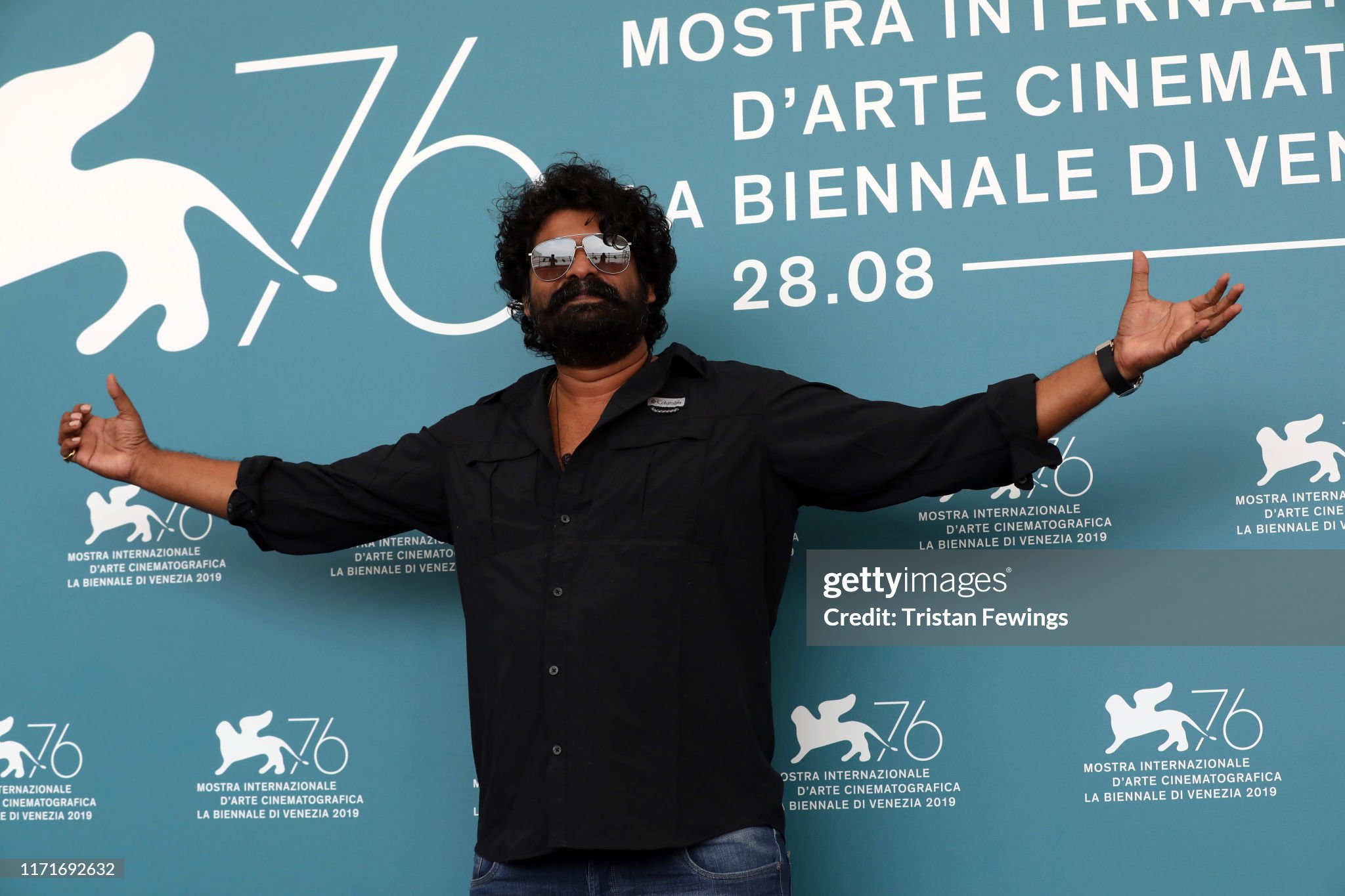
La 75esima edizione del Festival di Cannes si svolge dal 17 al 28 maggio 2022. Il documentario All that breathes, di Shaunak Sen, viene proiettato fuori concorso. Nella sezione Un certain regard, è in cartellone la pellicola pachistana Joyland, di Saim Sadiq. Deepika Padukone è membro della giuria nella selezione principale. Una nutrita delegazione di celebrità è sulla Croisette, fra cui Aishwarya Rai, Abhishek Bachchan, Ranveer Singh, R. Madhavan, Nawazuddin Siddiqui, Shekhar Kapur, Kamal Haasan, A.R. Rahman, Pa. Ranjith, Tamannaah, Aditi Rao Hydari e Pooja Hegde (Akshay Kumar è rimasto a casa perché purtroppo risultato positivo al covid).
Da quest'anno il Marché du Film (17-25 maggio 2022) prevede un Paese ospite. L'onore di aprire le danze è stato concesso all'India. In programma una serie di eventi mirati e proiezioni di pellicole. Nel comunicato ufficiale si legge:

'India will be the official Country of Honour for the Marché du Film 2022, set to run in Cannes from 17-25 May. The country is celebrating its 75th year of independence just as the Festival de Cannes celebrates its 75th anniversary - a momentous milestone for both institutions!
The celebration will kick off during the Marché’s traditional Opening Night festivities on Wednesday 18 May on the Majestic Beach following an introduction from the Marché du Film’s Executive Directors Jérôme Paillard & Guillaume Esmiol and a welcoming address from Anurag Singh Thakur, the Government of India’s Minister of Information & Broadcasting.
With more than 3,000 movies made per year, India is the largest film producer in the world. Apart from Bollywood, the country is home to over 30 regional film industries, and its film sector is estimated to generate a revenue of €2.6 billion by 2024.
As one of the highlights of India’s status as the Country of Honour, a special screening of a restored Indian classic film, directed by Indian auteur Satyajit Ray, has been planned as part of the Festival’s Cannes Classics selection. In addition, world premieres of a selection of Indian films will be held at the Olympia Cinema.
The India Forum will be the first event to open the conference program of the Marché du Film on Thursday 19 May and will feature acclaimed personalities from India and around the world on its Main Stage. The panel discussion, “India: The Content Hub of the World,” will feature the Government of India’s Secretary of the Ministry of Information & Broadcasting Apurva Chandra, Chairperson of India’s Central Board of Film Certification Prasoon Joshi and veteran Indian filmmaker Shekhar Kapur, among others.
 |
| Cerimonia d'apertura |
India will also be spotlighted through several of the Marché du Film’s diverse group of industry programs, including:
Goes to Cannes: Film Bazaar and India’s National Film Development Corporation will present their special selection of feature films in post-production, still looking for sales agents, distributors or festival exposure on Saturday 21 May.
Cannes Next: On Sunday 22 May, on the Marina Stage, five cutting-edge Indian start-ups will showcase their projects through a dedicated pitching session, highlighting India’s latest innovations in front of film industry professionals and decision-makers.
Cannes XR: India will be a partner of our XR-dedicated program that will offer participants a fully immersive experience at the Palais des Festivals.
Animation Day: The Ministry of Information and Broadcasting will join Indian professionals and talents at the animation-dedicated networking cocktail on Sunday 22 May to meet and connect with animation film experts and enthusiasts.
Like every year, the India Pavilion will return to the Festival de Cannes at the iconic Village International. The India Pavilion, which will be officially inaugurated on Wednesday 18 May, will showcase Indian cinema in all its linguistic, cultural, and regional diversity and will serve as a networking platform for delegates from across the global community. The pavilion’s aim is to establish international partnerships in film shooting, distribution, production, script development, technology and promoting film sales and syndication.
This is the first time the Marché du Film has an official Country of Honour, and this special focus will continue annually with different nations in the spotlight at future editions'.

Comunicato ufficiale dell'evento India: The content hub of the world: 'India has an abundance of competent labour, cultural and linguistic diversity, and an ever-growing consumption expenditure. The country’s ever-increasing digital demography, immense talent in technology, cultural diversity, discourses with a multitude of local stories, and stature as the world’s highest film producer have put her at a position of global advantage in terms of content production. The rise of on-demand, subscription-based video content, and OTT platforms has brought stories from India’s hinterland to the globe to a great acclaim. Moreover, the growing participation of the country’s filmmakers in international film festivals and markets has enabled Indian content to get an ever-rising acceptance among global audiences. The country delivers high-quality services to the Media and Entertainment industry. India’s capability of producing high-quality IP and post-production output is substantial in taking giant strides into becoming the content powerhouse of the world'.
Presso l'Italian Pavilion si è tenuto l'evento Italy and India, a New Wave of Film Industry Collaborations. Vi riporto l'articolo Coproduzioni, basta con le cinecartoline, pubblicato da Cinecittà News il 20 maggio 2022:
'Fare delle coproduzioni il luogo in cui prosperi la creatività internazionale. È questo l'appello alla comunità artistica emerso dal Rendez-vous "Italy and India: a New Wave of Film Industry Collaborations" tenutosi all'Italian Pavilion presso l'Hotel Majestic di Cannes. Dopo due anni di restrizioni ai viaggi e di limitazioni per festival e manifestazioni i due paesi, legati da reciproca ammirazione per le proprie opere filmiche fin da quando il regista Satyajit Ray vinse il leone d'oro a Venezia per Aparajito nel 1957, tornano a dialogare vis à vis per pompare linfa nuova alle loro relazioni.
Ad aprire l'incontro dedicato all'internazionalizzazione del cinema italiano è Roberto Stabile, Responsabile progetti speciali Mic - Cinecittà cui spetta il compito di introdurre l'Ambasciatore italiano in India Vincenzo De Luca che ricorda i tanti sforzi fatti dall'Italia per rendere possibile in India la partecipazione dei nostri film ai maggiori festival locali ma anche la realizzazione di retrospettive di titoli classici e recenti. Sforzi che ricevono l'endorsement del Presidente Anica Francesco Rutelli che si congratula anche con il Festival che quest'anno ha deciso di focalizzare la sua attenzione sull'India. “L'Anica pensa che sia indispensabile preservare spazi che permettano di mantenere le vedute più ampie possibile per consentire alla cultura e alla cooperazione di restare libere ed aperte, specie in questi tempi così geopoliticamente complessi”.
Un altro presidente, quello dell'Italian Film Commissions, Cristina Priarone racconta invece perché sia semplice lavorare insieme per questi due paesi: “Agli artisti indiani piace avere la possibilità di scegliere tra molte location: il territorio italiano è ricco e variegato, non ci sono solo le città d'arte, loro lo sanno e apprezzano, allo stesso modo a noi fa piacere sostenerli grazie al budget IFC che ogni anno mette a disposizione delle produzioni internazionali 50 milioni di euro”.

Porta il dibattito nel vivo Natarajan Vidyasagar, Chief Editor di Pickle Magazine: è lui a riflettere assieme ad alcuni professionisti dell'audiovisivo indiano su quali siano i prossimi passi da compiere per migliorare la collaborazione tra i due paesi. Da Bobby Bedi, Filmmaker e Managing Director Kaleidoscope Entertainment l'analisi più ficcante: “A volte i governi si allontanano dalle necessità del settore audiovisivo - spiega - il cinema non può solo far da traino al turismo realizzando opere che mettono più in risalto l'aspetto delle bellezze paesaggistiche che non i contenuti artistici. Girare all'estero può aiutare il turismo ma questo aiuta l'economia non la Settima arte. Le produzioni si devono concentrare di più sulle reali collaborazioni del settore cinematografico: il cineturismo deve essere una conseguenza non il motore che muove la collaborazione, per questo vanno utilizzati meglio i talenti e le competenze che l'India, così come l'Italia, può mettere in campo”.
A confermare questa tesi due coproduzioni, attualmente in sviluppo, che puntano tutto sulle storie e non sulle location. Il primo è un documentario su Osho, in realizzazione proprio dalla società di Bedi che sarà scritto in Italia ma girato in India, e narrerà la vicenda del guru attraverso il punto di vista di uno dei suoi seguaci nel nostro paese. L'altro è La bicicletta di Bartali, film di animazione che la Lynx Multimedia Factory di Evelina Poggi sta realizzando insieme alla Toonz Animation India capitanata da P. Jayakumar: una società con una lunga esperienza in Italia dove ha lavorato con la Rainbow di Iginio Straffi per le Winx e per un progetto su Pinocchio.
Il segreto come spesso avviene si cela nelle storie, meglio se dal sapore locale ma in grado di suscitare emozioni di un pubblico internazionale. E l'India sembra decisa a voler sostenere queste storie con nuovi incentivi, appena annunciati, a supporto delle coproduzioni. Si tratta di sostegni pari al 30% del film per un massimo di 260mila dollari per film realizzati in India da compagnie internazionali. Nel caso di opere girate in India va aggiunto un 5% pari a un massimo di 65mila dollari e un ulteriore 15% se alle riprese partecipa forza lavoro indiana. Per essere eleggibili i progetti devono aver siglato accordi di coproduzione dopo la data del 1 aprile 2022.
Strumenti utili che vanno a sommarsi a quelli italiani, ancora in vigore come ricorda Iole Maria Giannattasio responsabile delle attività internazionali, del supporto legale e dell'ufficio studi presso la segreteria tecnica della DGCA-MIC. Tra India e Italia esiste un solido accordo per le coproduzioni firmato nel 2005. Accordo che è ulteriormente supportato dal fondo per le produzioni minoritarie, ovvero i progetti in cui l'Italia è presente con un capitale che copre il film per una percentuale che va da 10 al 20%, possono accedere alla selezione che ogni anno mette a disposizione 5 milioni di euro per un massimo di 300mila euro per film'.
Aggiornamento del 28 maggio 2022: All that breathes, dopo il World Documentary Grand Jury Prize conquistato al Sundance Film Festival 2022, replica a Cannes aggiudicandosi l’Œil d’or con la seguente motivazione: 'L’Œil d’or goes to a film that, in a world of destruction, reminds us that every life matters, and every small action matters. You can grab your camera, you can save a bird, you can hunt for some moments of stealing beauty, it matters. It’s an inspirational journey in observation of three Don Quijotes who may not save the whole world but do save their world'. Comunicato ufficiale. Sen ha dichiarato: 'C’est un honneur pour moi et je dédie ce film à mon père qui est décédé durant le film et plus largement à toute l’équipe et à tous ceux qui ont perdu un être cher'. (Per inciso: l'anno scorso A Night of Knowing Nothing, di Payal Kapadia, presentato in prima mondiale alla Quinzaine des Réalisateurs, aveva vinto l’Œil d’or con la seguente motivazione: 'We were all taken by a film with a sustained artistic vision which blended the personal and the political in mesmerizing fashion. For a debut film, this makes it even more astonishing'). Joyland si è aggiudicato il premio della giuria - giuria presieduta da Valeria Golino. (Darling, sempre diretto da Sadiq, nel 2019 aveva vinto il premio per il miglior cortometraggio alla Mostra del Cinema di Venezia nella sezione Orizzonti).
 |
| Sessione fotografica giuria |
RASSEGNA STAMPA/VIDEO (aggiornata al 24 maggio 2022)
Video Brut India: Deepika Padukone alla conferenza stampa della giuria della selezione principale, 17 maggio 2022
Video ANI: red carpet cerimonia d'apertura e dichiarazioni rilasciate da Deepika Padukone e Tamannaah, 17 maggio 2022
Video Brut India: red carpet cerimonia d'apertura e dichiarazioni rilasciate da Deepika Padukone, 17 maggio 2022
Video Brut India: red carpet giuria e presentazione Deepika Padukone alla cerimonia d'apertura, 17 maggio 2022
Video Press Information Bureau: dichiarazioni rilasciate da Deepika Padukone all'India Pavilion, 18 maggio 2022
Video Filmfare: Deepika Padukone, Tamannaah, Pooja Hegde e Urvashi Rautela all'India Pavilion, 18 maggio 2022
Video Film Companion: intervista concessa da Tamannaah, 18 maggio 2022
Video Marché du Film, 19 maggio 2022
Video Ministry of Information and Broadcasting: India Forum, dichiarazioni rilasciate da R. Madhavan, 19 maggio 2022
Video Ministry of Information and Broadcasting: incontro con Aditi Rao Hydari, 20 maggio 2022
Video Film Companion: intervista concessa da Saim Sadiq, 24 maggio 2022
Video BBC: intervista concessa da A.R. Rahman, 24 maggio 2022
Vedi anche:
 |
| Deepika Padukone |

 |
| Conferenza stampa giuria |
 |
| Cerimonia d'apertura |


 |
| R. Madhavan: cerimonia d'apertura |
 |
| Kamal Haasan e Shekhar Kapur: cerimonia d'apertura |
 |
| Kamal Haasan e A.R. Rahman: cerimonia d'apertura |
 |
| India Pavilion |
 |
| A.R. Rahman, Shekhar Kapur e Prasoon Joshi: India Pavilion |
 |
| Deepika Padukone: India Pavilion |
 |
| Tamannaah: proiezione Top Gun - Maverick |
 |
| Pooja Hegde: proiezione Top Gun - Maverick |
 |
| Pa. Ranjith |
 |
| Deepika Padukone e Vincent Lindon: prima di Armageddon Time |
 |
| Deepika Padukone e Thierry Frémaux: prima di Armageddon Time |
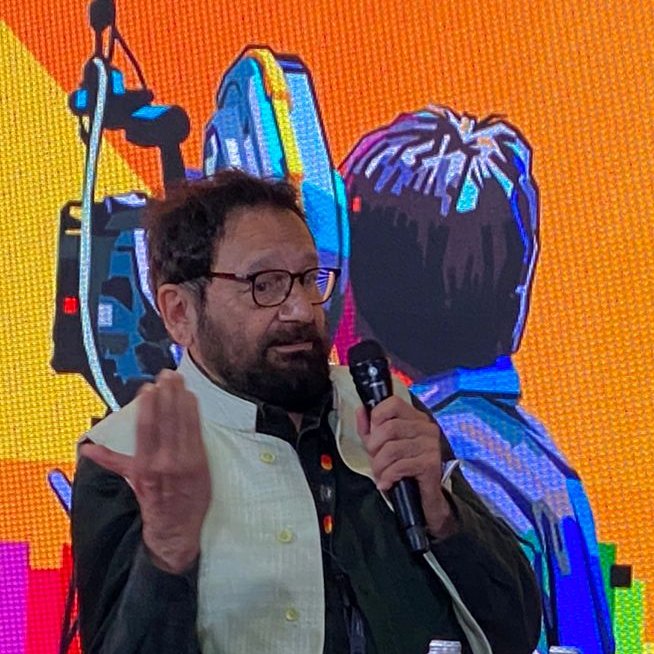 |
| Shekhar Kapur: India: The content hub of the world |
 |
| La giuria della selezione principale |
 |
| Kamal Haasan |
 |
| Shaunak Sen |
 |
| Joyland |

 |
| Aditi Rao Hydari |
 |
| Deepika Padukone: prima di Decision to Leave |
 |
| A.R. Rahman |
 |
| Kamal Haasan |
 |
| Deepika Padukone: celebrazione del 75esimo anniversario |

 |
| Deepika Padukone: prima di Elvis |
 |
| Shaunak Sen: premiazione |
 |
| Deepika Padukone: cerimonia di chiusura |


 |
| Deepika Padukone, Vincent Lindon e Joachim Trier: conferenza stampa post premiazione |