Visualizzazione post con etichetta A SALMAN KHAN. Mostra tutti i post

31 maggio 2024

DIVI INDIANI IN ITALIA

Ranveer Singh


Il facoltoso clan degli Ambani continua a regalarci grandi soddisfazioni. Dopo l'indimenticabile spettacolo congiunto del trio regale dei Khan (clicca qui), gentilmente offerto lo scorso marzo dai futuri sposi Anant Ambani e Radhika Merchant, in questi giorni la coppia è in Italia per la sontuosa (interminabile) festa prematrimoniale organizzata su una nave da crociera salpata il 29 maggio da Palermo, con tappe il 30 a Civitavecchia - per una veloce visita della capitale - e domattina primo giugno a Santa Margherita Ligure (con proseguimento nella notte per Genova). Quasi tutti i locali di Portofino sono stati affittati ad uso esclusivo, e la famosa Piazzetta verrà chiusa ai non invitati dalle 17.30 alle 22.30. Alle 21.00 è previsto un concerto privato di Andrea Bocelli. Le nozze si celebreranno in luglio a Mumbai.
Superfluo precisare che, in siffatte circostanze, i miliardari adorano garantirsi la presenza di personaggi famosi di altissimo calibro. La lista è da scorrere in posizione seduta: Salman Khan (credo per la prima volta nel nostro Paese), Shah Rukh Khan, Kareena Kapoor con la sorella Karisma, Karan Johar, Alia Bhatt con il marito Ranbir Kapoor, Ranveer Singh, Sanjay Dutt, Kiara Advani con il marito Sidharth Malhotra, Janhvi Kapoor con il padre Boney Kapoor, Sara Ali Khan, Ananya Panday, Disha Patani, Ayan Mukerji, Atlee. Alcuni media indiani citano anche Aamir Khan e addirittura la famiglia Bachchan. Poco o niente sta trapelando (sigh), le fotografie che circolano in rete si contano sulle dita di una mano - tocca accontentarsi e attendere con pazienza. 
Gli Ambani sembrano apprezzare parecchio l'Italia, dal momento che anche Isha Ambani, sorella di Anant, nel 2018 aveva festeggiato il suo fidanzamento sul lago di Como, con abituale corollario di un folto gruppo di celebrità (clicca qui).

Aggiornamenti del 2 giugno 2024: 
- Video: Shah Rukh Khan e Ranbir Kapoor a Portofino
- Video: Shah Rukh Khan al concerto di Andrea Bocelli
- Video: Salman Khan e Sanjay Dutt a Portofino
- Video: Kiara Advani e Sidharth Malhotra a Portofino


Ananya Panday a Roma

Sara e Ibrahim Ali Khan a Roma

Ananya Panday a Portofino

Janhvi Kapoor a Portofino

10 dicembre 2021

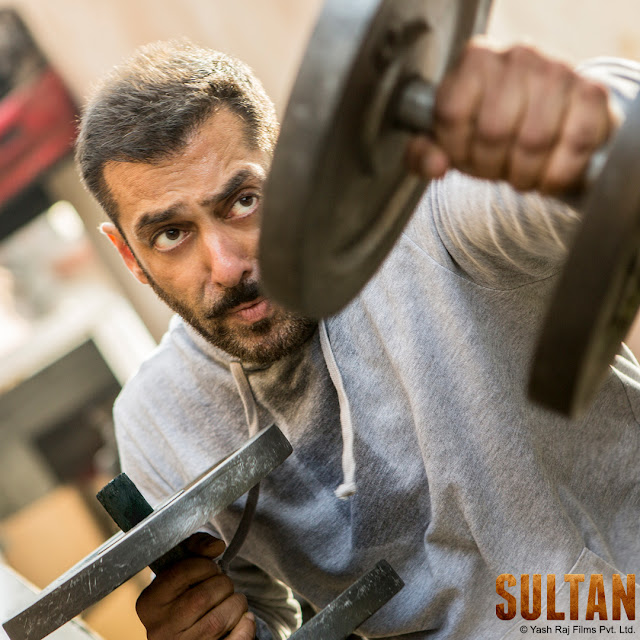
IL FENOMENO SALMAN KHAN


[Archivio] 

In questo periodo sono in vena di revival, quindi vi propongo una serie di articoli, pubblicati nel 2010 e nel 2011, che tentano di analizzare il fenomeno Salman Khan. Dal 2018 l'aura di Sallu sembra un po' appannata, ma la superstar non è nuova a cicli di tonfi e resurrezioni. In una carriera ormai lanciata a ripercorrere le orme di un certo Rajinikanth, non è difficile pronosticare nuovi clamorosi successi. Mi porto avanti rinfrescando la memoria circa le ragioni che hanno consentito a Salman Khan di incendiare il botteghino in quegli anni, ragioni valide a spiegare anche gli incassi stellari delle sue pellicole sino a tutto il 2017 (Ek Tha Tiger, Kick, Bajrangi Bhaijaan, Sultan - solo per citare i titoli più interessanti).

EDITORIALE, Aroon Purie, India Today, 1 novembre 2010

'Bollywood is dominated by the trinity of Khans - Shah Rukh, Aamir and Salman. Though united by their surnames, they have nothing in common either in style or in appeal. The first is the reigning superstar, a fulltime showman. The second is the so-called thinking star. The third, the subject of our cover story this week, is the shirtless wonder whose mass appeal surpasses all the others. (...) 
Most often, the bare-chested Khan is in the news for all the wrong reasons, whether it is for shooting blackbuck or for rash driving or for courting some of Bollywood's most beautiful women. He is the most adored bad boy of the industry and symbolises the old style Bollywood masculinity. He has that habit of putting his foot in his mouth whenever he is not using it for kicking baddies in his films. He is the action hero who has reduced the distance between the make-believe and the real. He's also surprisingly versatile. He started his career as a charming loverboy and then became the first Khan in Bollywood to discover the sixpack. He's got great comic timing and is not afraid of making a fool of himself onscreen. (...) 
He is our cover subject not just because he is the biggest hit-maker of the year. As this year's Entertainer Number One, he also dominates the small screen. The Salman part of the Khan market is flourishing. (...) 
Yet for a superstar, he lives fairly simply. His parents live in an apartment above him, and he's always willing to part with his things, be it money for medical treatment for the needy or even a favourite pair of boots. Apparently, he sleeps only for three hours a day. That should be good news for his fans as well as the industry. His waking hours have become the biggest source of escapism for the millions who swarm the multiplexes. And those hours earn him millions. Obviously, being bad pays'.

THE GOOD BAD BOY, Kaveree Bamzai, India Today, 1 novembre 2010

'The biggest paycheck in Bollywood this year has landed. It reached a star who's 5-foot 9-3/4 inches and weighs 78 kg. He dresses in clothes chosen by his two sisters and lives a floor below his parents. He sleeps for three hours a day and eats five meals daily. He's Salman Khan. And he's made Rs 170 crore and still counting from Dabangg, Rs 24 crore from Bigg Boss 4, and Rs 15 crore from three endorsements signed earlier this year. He is at the top of the entertainment game, measured in the only language Mumbai understands: money. (...) 
For someone who started work at 14 and whose first pay was Rs 75 as a background dancer, becoming the star of Bollywood's second biggest hit ever has not been easy. The pinnacle has come 22 years after he began as a doe-eyed, silken-haired 45-kg son of a famous father, a second lead in the tepid Biwi Ho To Aisi. Salman has reason to be pleased though he cannot look you in the eye, mind you. A little accident with a surgery to fix the unflattering pouches under his eyes has ensured that he cannot take off his dark glasses for another week. But as the star sits on his black leather couch, the centrepiece of his one-bedroom flat in Mumbai, with the steaming cup of coffee to be replaced by successive glasses of Bacardi and Coke as the evening wears on, he knows his fans have seen worse. They have seen him wearing a bikini in Baaghi, dancing with a towel between his legs in Mujhse Shaadi Karogi, being a "manly" Marilyn Monroe in Jaan-e-Mann and in Dabangg, romancing a girl who was a year old when he began his career. 
And they are not surprised that he now commands Rs 5 crore for each of his five endorsements; that he's taken the ratings of the opening episode of Bigg Boss 4 to a high of 4.83, bettered only by Amitabh Bachchan's Kaun Banega Crorepati 4 TRP of 6.21; and that his next yet-to-be-shot film is being sold at Rs 75 crore. The bhai who never grew up seems to have finally become the boy who can do no wrong. Or even if he does, it is quickly forgiven. Perhaps because he is seen as someone with his heart in the right place and his tongue in the wrong place. As an equal opportunity offender, who, if he is unprofessional, is so with everyone big or small. As a loveable lout who may be feudal and flawed but is still very funny. As a star who is less about the brand and more about the body. Which may explain why while everybody is busy wearing branded clothes, he's happy taking them off. 
Perhaps it's because the audience watching him suspects that behind the bluster is a boy who can still get slapped by his father, scriptwriter Salim Khan, and still stands to attention when he's on the phone. In many ways, Salman is the retrosexual man every boy would like to be. His brothers are his best friends and despite having dated four stunningly beautiful professional actors, he still believes that women should not "expose" onscreen. Unlike middle class darlings Shah Rukh Khan and Aamir Khan, film scholar Shohini Ghosh believes Salman's films echo our more complicated "good and bad times". Movies like Tere Naam and Garv portray him as a brooding hero while even in his most raucous comedies he often loses the girl or gets trumped by another star. Like the young Amitabh Bachchan, despite his elite upbringing, he has a common touch. He can play the folk hero of the masses as much as he can embody the rock star swagger.
Salman hasn't worked with too many star directors and he still cannot remember the dialogue of Pyaasa that he and director Sajid Khan had to learn in acting classes with Daisy Irani, but he seems to have found a new commitment to work. Always known more for his body than his brains, he is not only completing movies in one schedule to maintain continuity of physicality and character, but he has also reserved the right of final edit. "When I see a film now, I see it from the point of view of the audience, not myself. Yuvvraaj was 25 minutes too long, London Dreams would have been super 35 minutes less, and for Veer, I just needed more shooting dates. It's my fault that I didn't put my foot down. But I didn't whether out of respect or not wanting a misunderstanding. Perhaps they would have been worse if I had put my foot down," he says.
It is rare to find a star so unaccustomed to asserting his veto. Perhaps because Salman regards himself as a worker bee, who's broken every bone in his body, save his head, at least three times. He's always worked, whether it was as an assistant to Shashilal Nair for Rs 30 a day or as a model trying to maintain a Rs 300 bank balance. Which is why, among the Khans, he's made the most films - 71 compared to 57 for Shah Rukh and 36 for Aamir. Now the madness has a method. Still, don't expect him to come to work before 11 a.m., kiss onscreen ("why mix business with pleasure," he murmurs), or play a villain ("people need to see heroes"). Also make allowances for the days when he won't want to shoot, or will do so only with dark glasses on, because his eyes are puffy. But then once he's on the set, surrounded by his toys (an all-terrain bike, a bicycle, perhaps his Yamahas R6 and R1, and his four dogs, the oddly named Veer, My Love, Saint and Handsum) expect him to do anything the director demands (...).
He sees a reason for the phenomenal success of Wanted last year, which was like Ghajini before it, a southern import, and re-established the action genre in Bollywood which involves heroes walking through doors and fighting battles with bare hands. "We've had the angry young man, the action hero who would fight for his family or neighbourhood, the romantic hero, the rom-com loser hero. There had to be a reaction," he says. (...) "I believe the entertainment industry is for children or for the child in everyone. Somebody wants to grow up like you, somebody wants to be you, somebody wants to remember their youth by you," he says.
He's not a great fan of change. "I get attached to things. It took me 35 years to go from the floor above to my house here. And that happened only because Sohail (his younger brother) took over my room when I went on a world tour," he says. Rather than being seen as a provider at large for his family, he believes they have been a great support to him. "I have no responsibilities. My family takes care of me more than I take care of them. They've always supported me," he says. Especially when he's in trouble, which can vary from being in Jodhpur Central Jail for six days in 2007 as Prisoner No. 343 in the blackbuck case to 17 days in Thane Central Jail in the hit-and-run case in 2002. His family bristles at the thought of being seen as parasites: "People behave as if he's been parking money in our accounts. No. The greatest thing about him is that he hasn't alienated us from his success. He wants us to enjoy it with him," says brother, actor Arbaaz who is also the producer of Dabangg.
Film critic Nasreen Munni Kabir says Salman doesn't show himself in real life as the perfect, intelligent man but as a feckless fellow who bumbles through life learning from his mistakes as he continuously makes them. "He becomes human to us in a more meaningful way than the high achievers," she points out. As Salman himself says, "Some people think I'm a total jerk. And some people love me to death." He also has a habit of loving to death, as all accounts of him stalking Aishwarya Rai at the height of their romance indicate. Salman seems to have become philosophical about his love life. "You get somebody better for you. That person gets somebody better for them," he says in his famously cryptic way. He has finally learnt to move on romantically, though there is the odd fixation he has with casting lookalikes of his one-time girlfriends. His father puts it more poetically: "Salman suffers from divine dissatisfaction."
For someone who grew up idolising Sanjay Dutt, (...) he's quite impressed by his own fitness. "My body is better than it ever was," he says, looking at himself in a mirrored wall conveniently next to the sofa on which he receives guests like a mini-head of state. "The only fat I have is under my eyes," he says, denying he ever went in for hair grafting but quietly writing the number of the Dubai doctor who did the honours in case you need it. He keeps himself fit, whether by swimming, playing cricket or football, or simply trekking or cycling to work. He sleeps three hours a day, usually by 5 in the morning. "Either my mind wakes up and my body is tired. Or my body wakes up and my mind says 'go to sleep'. Sometimes both are sleepy and I'm wide awake." And sometimes he wakes up weeping, his pillow wet, dreaming of his days at The Scindia School, Gwalior.
He's had a chequered academic career, weaving in and out of St. Anne's High School, Mumbai; The Scindia School; St. Stanislaus High School, Mumbai; and St. Xavier's, Mumbai, from where he was thrown out. Why? "Attendance. I always had that problem," he mumbles. He dropped out of third year at Elphinstone College, deciding not to take an exam one day because a cricket match seemed more interesting. He also gave up the idea of admission to the JJ School of Art because he thought the crowd was too "arty" for someone who was the proud possessor of a single pair of Wranglers bought by his mother's brother, Tiger Uncle, from Germany. "I wore them until they tore," he says, recalling a time when the family was short of cash. His father agrees. "Remember I struggled for 10 years as an actor before I began writing.(...)."
A Bandra boy who would often attend midnight mass with his gang after a drinking session, Salman has grown up with a Hindu mother, a Muslim father, and a Catholic stepmother. In many ways, he is Everyman. "What you see is what you get," says director Farah Khan. (...) "He's never stopped a movie or not completed it even if he knew it was a turkey in the making. When he's good, there's no one like him."
As he contemplates marriage ("I'd like to have children"), a post-retirement career involving painting and working with his charity, the Being Human Foundation, the coolest thing about the always underrated Khan is that he's happy even with his lack of inches. "It's just a bit taller than the heroines and shorter than the villain." Because, of course, it's fun to beat up the bigger guy. Isn't that what heroes do?'.

SOME PEOPLE THINK I'M A TOTAL JERK, India Today, 1 novembre 2010
(L'intervista è piuttosto insipida, e ne riporto un breve estratto solo per gossip. Gli intenditori capiranno)

'So are you ready to finally get married?
No, not now. I'm not ready. I don't feel like it. Nevertheless, whenever I've been in a relationship, I have always wanted to get married. But I would get cold feet. I would panic if I started thinking about it too much.
Who were you in a relationship with?
All the people that you know about. What's the point of naming them? Everyone is happy, everyone is married.
Not everyone.
Yeah, Somy (Ali) is not.
And Katrina ...
Katrina is too young to get married'.


BOLLYWOOD'S ROCKSTAR, Anupama Chopra, Open, 2 settembre 2011

'He’s rash and unpredictable, and the jury is still out on his acting skills. So what makes Salman Khan such a force to reckon with? (...) 
The intriguing thing is that he can’t act. Or at least, he prefers not to. There have been occasional flashes of craft, but mostly, Salman seems content to play one persona: a charming, irreverent, but morally upright superman who invariably drops his shirt (...). In a recent interview, he said that he chooses to do films that he himself would buy a ticket for. Over the past few years, these have been loud, largely mindless action movies in which he crunches bodies while delivering signature whistle-worthy dialogues. When I asked in an interview why he repeated himself in every role, his response was: “Why? Do you have a problem with my personality?”. 
His films have become so successful that Salman is now his own genre or franchise. He’s cinematic comfort food - you go into a theatre to watch him do the same thing over and over again. The story, the setting, the direction, the co-star, they are all irrelevant. 
Intriguingly, Salman has been an A-list star for over two decades without the consistent support of big production houses or strong scripts. Shah Rukh Khan has been the poster boy for the Chopras (Yash and Aditya) and Karan Johar. Aamir Khan, with uncanny instinct, has picked the best stories. But Salman has pretty much winged it. He prefers to work with friends and family. His relationships dictate his projects. There is no strategy or long-term planning. His personal life is equally haphazard. He’s had a slew of famous girlfriends, scandals, brushes with the police, the mafia and even stints in jail. And through it all, Salman stands tall. 
What makes Salman Bollywood’s Teflon man? Why does nothing ever stick? Why do viewers forgive him everything, including allegations of abuse and drunk driving and shoddy projects like Ready and Veer? My thesis is that Salman functions as Hindi cinema’s last Rockstar Hero. Aamir and Shah Rukh are wonderfully charismatic actors, but only Salman feels subversive and deliciously dangerous. He’s 100 per cent attitude. He’s our fantasy of a life lived large and without regrets. With him, there are no half-measures. Every facet is epic. So, he’s moody, but also so generous that he doesn’t blink before giving away watches worth lakhs to friends; he’s staggeringly eligible, and yet, unable to sustain a relationship - and therefore also lonely, so he often paints furiously into the dawn; he’s unpredictable, and yet, reliable like a rock. Salman is all testosterone, but also all heart. He hasn’t had a timid day in his life. He’s fierce and determinedly unlayered. Above all, Salman has no sub-text. What you see is what you get - both onscreen and off. 
Is Salman really all of this? I wouldn’t know. Over 20-odd years, I’ve only interviewed him thrice. I’ve enjoyed a few (too few) of his films. While I am intrigued by the cult of Bhai, I am not a convert. But clearly, I’m a minority. Bollywood’s number crunchers are predicting a Rs 60-crore opening five-day weekend for Bodyguard. This isn’t an actor. It’s an experience'.


KING OF BOLLYWOOD, Aroon Purie, India Today, 19 settembre 2011

'He's an actor who can't really act, his dancing is somewhat peculiar, at 45 he's kind of ageing, he has a great body but so do his peers. So, what makes this actor a superstar? I think it's because Salman Khan is a cool dude. Women, of course, drool over his body but I believe his fans love him because of his bad/good boy image, his nonchalance and above all, because he doesn't ever seem to take himself too seriously. He's the king of two other very successful Khans because he has, particularly in the last year, set the box office cash registers ringing like never before. In an industry where receipts at the box office, more than awards or critical acclaim, are the ultimate measure of success, Salman Khan truly stands out. (...) 
He was the first of the big stars to take off his shirt and bare his toned upper body-waxed chest, bulging biceps and enviable six-pack-way back in the 1990s when it was hardly fashionable to do so. It is a routine he has stuck to religiously since. (...) Other filmmakers have a formula for genres like romantic comedy, thrillers or slice of life but in Salman's recent films, he's the formula. That's the USP (Unique Selling Point). There are set pieces which Salman will do in his films and that's what keeps the fans coming back for more. (...) 
He has an uncanny ability to bond with the masses both off and on screen. (...) When asked about his success, Salman was quick to say, "It's no big deal. You can't go mad about these things." As always, the cool dude!'.

SALMAN KHAN ON BODYGUARD'S SUCCESS, Shilpa Rathnam, Nishat Bari, Kaveree Bamzai, Gunjeet Sra, India Today, 19 settembre 2011

'At any given time, there will be a gaggle of at least 50 people standing outside his home in Galaxy Apartments, in Bandra, Mumbai, waiting for help. Papers are sent in to his one-bedroom ground floor apartment, money or assurances are sent out. Khan insists on wearing simple clothes in his films, usually vests, shirts that are easy to clone, blue jeans or as in most of Ready, bermudas. "I make sure I wear one pair of shoes throughout a movie," he says, "otherwise children start harassing their parents to get them more." (...) "Parents have to want you as their son, youngsters have to think they can be like you, children have to idolise you," he says. (...) 
There's a more studied analysis of his appeal. Khan represents a certain kind of virile masculinity that no longer exists in Indian males but is something they aspire to achieve. He is single, with a string of beautiful girlfriends. He combines rural mobility with urban ideas, something that Govinda or Mithun Chakraborty were never able to do. The dichotomy comes from his small town roots (he was born in Indore and spent every summer there until he was old enough for regular school) and his status as the son of one of Bollywood's most successful screenwriters, Salim Khan. Since more people are migrating to cities from villages, they idealise it, says sociologist Sanjay Srivastava. Even his wealth is subdued, out of the public gaze. (...) 
Khan cashes in on this outsider-makes-it-big image by building his characters along the same aspirations, with names such as Radhey, Chulbul Pandey and Lovely Singh. He's both ordinary and special; Indian and not NRI; loyal to family, friends and servants, and emphatically Indian in style, dressing in neo-urban flash, with earrings and bracelet, says film scholar Rachel Dwyer. 
In an industry where his contemporaries want to be presented as youngsters, he doesn't pretend. His hair is courtesy a weave from a doctor in Dubai whose number he shares freely, his body is the result of constant hard work, and the eyes are often accompanied by bags. Then there is the visceral action. (...) 
He's the 70s-80s working class hero with a new noughties irreverence. Hence the break into comedy often in the middle of an intense action scene. (...) He observes people around him and remembers the simple things. (...)  "Most things I do are improvised from what I see in real life," he says. "There's nothing original." (...) 
He's developed a shrewd business sense too. (...) He endorses seven brands. (...) His Being Human T-shirts are the most pirated across India. (...) There's Bigg Boss for another season on Colors, co-hosted with friend Sanjay Dutt. Plus the movie business can only grow. (...) 
The fans adore him. (...) In a marketed fragmented by the rise of regional cinemas and divided by rising ticket prices, he is a powerful unifier. He's the Khan who can do no wrong'.


INTERVISTA, Kaveree Bamzai, India Today, 19 settembre 2011

'Salman Khan is recuperating in New Jersey, USA, after a complicated surgery to ease a nerve disorder called Trigeminal Neuralgia, which had been causing him excruciating pain for a year. He spoke on the phone about the enormous success of Bodyguard and capping a hattrick of blockbusters.

Q. So how does it feel?
You can't go mad about these things. It's the festive season. The past three films have done well. The business has grown. Aabadi badti ja rahi hai (the population is growing), even if I'm not contributing to it. There's a baby born every 30 seconds or something, right? But seriously I feel happy that a film I selected is something people liked. I hope that never goes wrong.
Q. What's the secret of your success?
I no longer do a film for the wrong reasons. I have to be convinced ethically and morally. Both the director and I have to be on the same page. There are just five songs in most films these days and they have to be amazing. There has to be a twist in the screenplay. The editing has to be crisp. Your hard work should show, but effortlessly. It has to be a subject people relate to. You have to approach the film like a member of the audience. When it's being narrated to you, you should enjoy it.
Q. What are the things you will never do in a movie?
Never kiss the girl on screen. I feel awkward. First, remember, it's primarily a family audience. And second, I learnt this a long time ago, every man's wife or girlfriend is for himself. He doesn't want to share her.
Q. Why is it so important to have a shirtless scene?
I think the whole point is when people see it they think if this guy can take his shirt off, so can we. But you have to prepare yourself mentally. I had just 15 days to work on my body for the climactic fight of Bodyguard. And I would work on every muscle of my body two/three times a week. I would have developed a superb body if I had three months, but squeezing it into 15 days can be harmful. Also, as you grow older, your metabolic rate slows down.
Q. You seem to have become far more serious about your work now.
You have to be. Ticket prices have increased. Your fans expect something. You can't let them down.
Q. And you're more involved?
Yes, I do think of some of the lines and jokes. I enjoy the process of composing music. The first time I hear a song, it has to bring a smile to my lips. You have to tap your feet and be able to sing the song'.

Vi segnalo inoltre l'articolo King Salman, firmato da Bharati Dubey e pubblicato da The Times of India il 12 giugno 2011. Il sito non consente di copiare il testo.

24 gennaio 2013

STAR SCREEN AWARDS PER L'ANNO 2012 : I VINCITORI


La diciannovesima edizione degli Stars Screen Awards ha avuto luogo a Mumbai lo scorso 12 gennaio ma e' stata trasmessa dalla rete televisiva Colors una settimana dopo in prima serata. La live performance più attesa sicuramente quella di Ranbir Kapoor impegnato in uno scoppiettante duetto con la madre Neetu Singh. Tra gli altri numeri divertenti le esibizioni di Sonakshi Sinha e del trio di giovani attori di Student of The Year: Alia Bhatt, Siddharth Malhotra e Varun Dhawan. A guidare la serata Shahrukh Khan e Priyanka Chopra.


La lista dei vincitori delle categorie più importanti:

* Miglior Film: Paan Singh Tomar
* Miglior Regista : Anurag Basu (Barfi! )
* Miglior Attore Protagonista : Irrfan Khan (Paan Singh Tomar) in ex equo con Ranbir Kapoor (Barfi! )


* Miglior Attrice Protagonista : Vidya Balan (Kahaani)
* Miglior Attore Non Protagonista : Nawazuddin Siddiqui (Talaash)
* Miglior Attrice Non Protagonista : Dolly Ahluwalia (Vicky Donor)
* Miglior Attore Debuttante : Ashumman Khurrana (Vicky Donor)


* Miglior Attrice Debuttante : Ileana D'Cruz (Barfi!)
* Miglior debutto alla Regia : Gauri Shinde (English Vinglish)
* Miglior Colonna Sonora : Pritam (Barfi!)
* Migliori Coreografie : Prabhu Deva ("Go Govinda" da Oh My God)
Public Popular Awards : Salman Khan e Katrina Kaif (Ek Tha Tiger)

La pagina web dedicata all'evento. Clicca qui.

Vedi anche Zee Cine Awards per l'anno 2012: I Vincitori

24 novembre 2011

IL TRIONFO TELEVISIVO DI AMITABH BACHCHAN: KAUN BANEGA CROREPATI?


Il 17 novembre 2011 si è conclusa la quinta stagione di Kaun Banega Crorepati?, il più clamoroso fenomeno televisivo indiano, edizione locale in lingua hindi del popolare format britannico Chi vuol esser milionario?. Il successo dello show, dopo undici anni di programmazione, rimane strabiliante. Nel 2011 i dati di ascolto hanno raggiunto livelli vertiginosi: una delle ultime puntate ha sfiorato l'inimmaginabile picco di 27 milioni di telespettatori. Il calibro del conduttore è stato di sicuro il fattore determinante: quattro delle cinque stagioni di KBC sono state presentate dalla leggenda vivente del cinema indiano, Amitabh Bachchan. E la superstar, con cui ormai lo show viene indissolubilmente identificato, ha dichiarato che condurrà anche la sesta.

KBC entrò nelle case indiane per la prima volta il 3 luglio 2000, quando la sfolgorante carriera di Amitabh Bachchan sembrava ad un punto morto. Il programma, diffuso dal canale StarPlus, si rivelò subito un successo dai numeri astronomici, e cambiò per sempre la storia della televisione del subcontinente, spianando la via a molte altre stelle del grande schermo. KBC rappresentava la prima edizione ufficiale indiana di un importante show internazionale. Le immagini di un intero gigantesco Paese ipnotizzato da un gioco a premi fecero il giro del mondo. Serrande abbassate, strade deserte: ogni tipo di attività cessava in concomitanza con la messa in onda del quiz. La prima stagione si concluse trionfalmente il 31 dicembre 2001. Le puntate avevano cadenza quasi giornaliera - dal lunedì al giovedì - e prevedevano anche uno spazio per i ragazzi. Il premio massimo consisteva in dieci milioni di rupie (equivalenti ad un crore).


Shah Rukh Khan in KBC3

Qualche anno dopo StarPlus decise di replicare, proponendo una seconda stagione composta da 85 episodi. Ne furono trasmessi solo 61, dal 5 agosto 2005 al gennaio 2006. KBC2 venne interrotto a causa delle cattive condizioni di salute di Bachchan. Le puntate andavano in onda nel fine settimana, e il premio massimo venne raddoppiato. La produzione offrì ad Abhishek Bachchan la conduzione degli ultimi 24 episodi, ma l'attore rifiutò.
Per la terza stagione di KBC venne ingaggiato un altro pezzo da novanta: la superstar Shah Rukh Khan. 52 puntate furono programmate dal lunedì al giovedì dal 22 gennaio al 19 aprile 2007. Il cambio del presentatore non risultò però gradito al pubblico di appassionati del quiz.
Big B tornò a condurre lo show, diffuso da Sony Entertainment Television, dall'11 ottobre al 9 dicembre 2010. Solo 36 episodi, ma il premio massimo venne innalzato a cinquanta milioni di rupie. Cinque milioni di indiani si accalcarono alle selezioni.
Le 56 puntate della quinta stagione sono andate in onda dal lunedì al giovedì dal 15 agosto al 17 novembre 2011, conseguendo ascolti stellari. Ai concorrenti, provenienti da tutti gli Stati dell'Unione, è stato lasciato ampio spazio: posti al centro del programma, hanno interagito con l'illustre presentatore in modo caldo e personale. KBC5 è diventato così un microcosmo rappresentativo della popolazione del subcontinente.


Anil Kapoor in Slumdog Millionaire

Kaun Banega Crorepati? e Amitabh Bachchan, nel corso delle cinque stagioni, hanno vinto una pioggia di premi televisivi, annientando la concorrenza.
Molte celebrità hanno partecipato al quiz a scopo benefico e/o promozionale. Aamir Khan fu il primo, nel 2000. Curiosamente, nella classifica dei vincitori di premi superiori ai 10 milioni di rupie, compare la coppia composta da Kajol e Ajay Devgan, che nel 2005 vinse appunto 10 milioni di rupie.
Vi ricordo che il format fa da cornice al romanzo Le dodici domande di Vikas Swarup e al suo fortunato adattamento cinematografico, Slumdog Millionaire (nel quale il ruolo del conduttore è ricoperto da Anil Kapoor, ruolo pare rifiutato dallo stesso Shah Rukh Khan).

Aamir Khan in KBC1

Il 19 novembre 2011, Hindustan Times ha pubblicato l'articolo Five crore question: what makes KBC work?, di Poonam Saxena. Riporto di seguito un lungo estratto, che include anche un'intervista concessa da Amitabh Bachchan:

'Twenty-seven million viewers tuned in to watch (...) Kaun Banega Crorepati (KBC) earlier this month. The ratings for that episode were so stratospheric, the executives at Sony (the channel on which the show is aired) almost had a seizure. Laughs Sneha Rajani, senior executive vice president and business head, Sony, “My heart popped out!”
The moment was eerily reminiscent of 3 July 2000, when KBC first hit Indian TV screens. A struggling Star Plus, lagging behind Zee and Sony, had gambled on getting Amitabh Bachchan to host the desi version of Who Wants To Be A Millionaire? (...). There was no dearth of sceptics. Wasn’t Bachchan a has-been superstar, whose career was set for a slow fade-out? Wasn’t it suicidal for him to stoop to television? Recalls Sameer Nair, then Star’s senior vice president (programming), “I remember some junior people in Star suggesting Govinda’s name instead! People scoffed at us, saying who puts a quiz show on prime time?"
In the end, it was Amitabh and Star who laughed all the way to the bank. KBC became a monster hit and changed Indian television forever. Star Plus shot up to No. 1, a position it still holds on to with grim determination. Not only was Bachchan’s career resurrected, he legitimised TV for movie stars. KBC became India’s first official adaptation of a big international reality show, opening the floodgates for acquisitions of American and British reality show formats by Indian channels. And, in a post-liberalised India, it made the word ‘money’ a ‘not-dirty,’ even desirable word, despite critics who insisted the show had spawned a culture of greed.

But in an astonishing feat, even after 11 years and four seasons, KBC has smashed TV ratings records once again and emerged as the top show this year. Isn’t there such a thing as fatigue? Ironically, that’s what Star Plus had thought when it declined to renew the rights to the show after hosting three seasons of KBC (the last one with Shah Rukh Khan in 2007). Explains Nair, “From the Star point of view, it was like people would say, ‘Really? Is that the best you can come up with? What’s new?’”
Star stepped back, Sony moved in. Says Rajani, “We never thought the show had reached its sell-by date. We always knew it would be a success, but that it would be such a roaring success...”

There is a reason for that “roaring” success. In this, its fifth season, KBC has become a platform on which Indians left out of the Indian dream can transform their lives and realise their aspirations - substantially if not fully.
The show has always been about the contestants, the prize money and the host, not necessarily in that order. “But now, the interplay between Amitabh and the contestants and the types of contestants - that took the game to another level,” says Rajani.

Here’s how that happened. After Sony received responses from aspiring contestants, it made a final selection via a complicated procedure which ensured that the contestants’ pool was like a microcosm of India. Geography, demography, education, occupation - and the ability to answer quiz questions correctly - all this was taken into consideration. Says Danish Khan, senior vice president and marketing head, Sony, “If we hadn’t gone through this exercise, it would never have been a pan-Indian game. The entire matrix we created was to ensure that we got an all-India representation on the hot seat.”
Adds KBC producer Siddhartha Basu, “It was very much a programming decision to reach out to contestants from further afield, from the interiors, to have video windows on each one of them, their lives and milieus, their hopes and disappointments... Because we wanted the viewer to relate more deeply with the person on the hot seat in this life-changing game.” (...)
That’s also because much of the viewership of the show came from these very ‘interiors.’ In 2000, there were 25 million cable homes. Today, there are 110 million, and this massive expansion has swept small towns deep in the hinterland in its embrace. Watching KBC was always something of a vicarious pleasure - imagining yourself in the hot seat and answering the questions, to know how you would have fared if you’d been there.

But when this new aspirational audience watches contestants from its own world win (...) on the show, there is a special edge to the normal viewing pleasure. Many of the contestants have been dedicated viewers themselves.
And contrary to conventional wisdom, the show is not just a lottery. Getting to the show may be a game of chance but contestants who got to the hot seat did their best to leave nothing to chance. (...)
And since KBC is, as Danish Khan says, a skill-based test, for many of the contestants, it was akin to preparing for a competitive exam. (...) Reading newspapers and magazines, brushing up on GK (general knowledge) - it was not something they would do for a few days once they got selected for KBC. It was something they did every day, week after week, year after year, so that when - and if - the big day came, they would be prepared.
The other thread that links almost all the contestants is the emphasis on education. Each one of them, points out Danish Khan, “has invested in education.” (...)

For many, it was a dream to be on a show they had followed for over a decade. And for all of them, down to the last man / woman, it was an opportunity to meet Bachchan.
No wonder Sneha Rajani says that when Sony took over the property, they had decided that if Bachchan declined, they were not interested. “The show belongs to him,” she declares. “With due respect to other superstars, this is his show.”
But in the end, as Basu says, it was the contestants, drawn from “the base of the social pyramid,” that lit up the screen in this season of KBC.

Salman Khan e Katrina Kaif in KBC3

Q&A: Amitabh Bachchan

What’s the journey been like, from 2000 till now?
Initially of course it was all about moving to TV from films. It was considered taboo back then - moving from 75 mm to a 25-inch screen, reducing the size of your face and figure. But I found the concept novel and different. There was a lot of apprehension. But when the show opened, and the first reactions started coming in, it was clear that the show had taken everyone by storm. We did 320 episodes at a stretch, that’s a lot for a game show! TV is hugely exhausting because most of it is impromptu. It's tougher than film. (...)

What happened then?
Well, I fell ill. Then Shah Rukh Khan took over the show. After him, Star forgot all about the property. Sony took KBC and approached me. I was sceptical. The show had been played out, weren’t people bored of it? I checked with some other channels and they all had the same thing to say. But eventually I decided to do it.

In this season, the show was all about the contestants...
(...) That was the spirit of the show. We had contestants from places whose names we were hearing for the first time. Their stories, their lives... to see their condition, hear about it, it was heart-rending. (...) There were such powerful stories. And you know, despite everything, their morals and beliefs are intact.

Will you be doing KBC next year too?
Yes, I am contracted for one more season.

Though Shah Rukh did KBC for one season, you are the one most closely identified with the show. Do you feel a sense of ownership of KBC?
No, nothing like that. I’m just contracted to do a show and I do it.

Most of the contestants are so overwhelmed when they meet you. Do you feel embarrassed?
It becomes most embarrassing. But look at it from their point of view. It was like me coming to Mumbai for the first time and seeing my idol Dilip Kumar. Many of them had never been to a big city.

Some people feel the crorepati episode was orchestrated because the season was ending.
This is so disrespectful to our countrymen, their knowledge and their sincerity.

Timeline - The journey from 3 July 2000 to 17 November 2011
Season 1 - From 3 July 2000 to 31 December 2001. The show played Mondays to Thursdays, with Amitabh Bachchan as host, took the nation by storm. Included Junior KBC
Season 2 - Began on 5 August 2005, taken off air in January 2006, because Bachchan fell ill. KBC Dwitiya, as it was called, was a weekend show. Prize money raised to two crore
Season 3 - Shah Rukh Khan took over as host in January 2007. He did 52 episodes over 13 weeks, Mondays to Thursdays. Though SRK did his best, it wasn’t good enough
Season 4 - The show moved from Star Plus to Sony and Bachchan was back as the host. Started on 11 October 2010, ended on 9 December. A total of 36 episodes, and a five crore jackpot
Season 5 - Started on 15 August 2011 and ended on 17 November 2011. A total of 56 episodes went on air, Mondays to Thursdays. The season was a stunning success'
 
Video KBC1: estratto della puntata con ospite Aamir Khan
Video KBC2: estratto della puntata con ospiti Kajol e Ajay Devgan
Video KBC3: estratto sottotitolato dell'ultima puntata con ospiti Kareena Kapoor, Priyanka Chopra, Salman Khan e Katrina Kaif
Video KBC3: brano Kar Le Kar Le Koi Dhamaal (sigla)
Video KBC5: 40esima puntata, 20 ottobre 2011, ospite Shah Rukh Khan


Kajol e Ajay Devgan in KBC2

Segnalo alcuni dei programmi televisivi di maggior successo trasmessi negli ultimi anni condotti da superstar del cinema hindi:

* Amitabh Bachchan: presentò la terza stagione di Bigg Boss, edizione in lingua hindi del format olandese Grande Fratello, andata in onda dal 4 ottobre al 26 dicembre 2009.

* Shah Rukh Khan:
- Kya Aap Paanchvi Pass Se Tez Hain?, edizione in lingua hindi del format americano Sei più bravo di un ragazzino di quinta?, trasmessa dal 25 aprile al 27 luglio 2008. Video: estratto sottotitolato della 20esima puntata con ospiti Kareena Kapoor e Saif Ali Khan;
- Zor Ka Jhatka, edizione in lingua hindi del format americano Wipeout - Pronti a tutto, andata in onda dal primo al 25 febbraio 2011. 

* Salman Khan:
- 10 Ka Dum, edizione in lingua hindi del format americano Power of 10. La prima stagione fu trasmessa dal 6 giugno al 14 settembre 2008. Aamir Khan partecipò alla nona puntata del 4 luglio. La seconda stagione andò in onda dal 30 maggio al 17 ottobre 2009. 
- Bigg Boss quarta stagione, edizione in lingua hindi del format olandese Grande Fratello, trasmessa dal 3 ottobre 2010 all'8 gennaio 2011. Anche Pamela Anderson è stata ospite del programma.

* Akshay Kumar:
- Khatron Ke Khiladi, edizione in lingua hindi del format americano Fear Factor (ispirato ad un programma olandese). La prima stagione andò in onda dal 21 luglio al 14 agosto 2008, la seconda dal 7 settembre al primo ottobre 2009, la quarta dal 3 giugno al 23 luglio 2011 (la terza fu presentata da Priyanka Chopra).
- MasterChef, edizione in lingua hindi dell'omonimo format britannico. Akshay condusse la prima stagione, trasmessa dal 16 ottobre al 25 dicembre 2010. Video promozionale (divertentissimo).

Nel sito Indian TV Serials è possibile visionare molti programmi televisivi indiani.

Da destra: Kareena Kapoor, Katrina Kaif, Shah Rukh Khan, Salman Khan e Priyanka Chopra

Aggiornamenti del 13 dicembre 2021
* KBC: le stagioni sono diventate tredici. L'ultima è in onda dal 28 agosto 2021 e terminerà il 17 dicembre 2021. Lo scorso 3 dicembre il programma ha festeggiato la puntata numero mille. Lo show è stato realizzato in diverse lingue indiane. A titolo di esempio, cito la prima stagione (2012) dell'edizione tamil condotta da Suriya, le prime tre stagioni dell'edizione telugu (dal 2014) condotte da Nagarjuna, la seconda stagione (2018) dell'edizione bengali condotta da Prosenjit Chatterjee.
* Bigg Boss: le stagioni sono diventate quindici, e dalla quarta il conduttore è Salman Khan. L'ultima è in onda dal 2 ottobre 2021. Il programma è stato realizzato in diverse lingue indiane. A titolo di esempio, cito le prime otto stagioni dell'edizione kannada (dal 2013) condotte da Sudeep, la prima stagione dell'edizione bengali (2013) condotta da Mithun Chakraborty, le prime cinque stagioni dell'edizione tamil (dal 2017) condotte da Kamal Haasan, dalla terza (dal 2019) alla quinta stagione dell'edizione telugu condotte da Nagarjuna, le prime tre stagioni (dal 2018) dell'edizione malayalam condotte da Mohanlal.
* MasterChef India: la prima stagione, condotta da Akshay Kumar, nel 2013 è andata in onda sul canale italiano Babel TV (clicca qui).
* Per Satyamev Jayate, talk show condotto da Aamir Khan, vedi Il successo televisivo di Aamir Khan: Satyamev Jayate.

11 settembre 2011

SALMAN KHAN COVER BOY

India Today 19 settembre 2011


È un fatto innegabile: Salman Khan è l'attuale e incontrastato re del botteghino. Il bad boy di Bollywood ha incendiato il box office con una sfilza di fortunati blockbuster: Wanted, Dabangg, Ready e Bodyguard. Da un paio d'anni Sallu piomba come un tornado nelle sale travolgendo un pubblico sempre più deliziato e una critica sempre più scettica. Alle sue spalle il vuoto cosmico, con l'eccezione forse di Ajay Devgan. L'attore si è recentemente sottoposto negli Stati Uniti ad un delicato intervento chirurgico, ed in questi giorni è a Londra, ma in procinto di trasferirsi a Dublino per le riprese di Ek Tha Tiger, di Kabir Khan. È la prima volta che la star partecipa ad una produzione Yash Raj Films. Superfluo precisare che i media impazziscano per Sallu. Quale migliore occasione per offrirvi una galleria delle più belle fra le recenti copertine dedicate a Salman Khan? 

Filmfare hindi settembre 2011

Filmfare 3 agosto 2011

M Magazine giugno 2011

Hello! India aprile 2011

Avant Garde Life marzo 2011

People India dicembre 2010

India Today 1 novembre 2010

Man's World ottobre 2010

Filmfare settembre 2010

CineBlitz aprile 2010

Ok! India maggio 2010

Video della sessione fotografica per Ok! India maggio 2010

Hi! Blitz gennaio 2010

Filmfare 8 luglio 2009

Filmfare novembre 2008

Stardust Icon

07 gennaio 2011

STAR SCREEN AWARD PER L'ANNO 2010: I VINCITORI

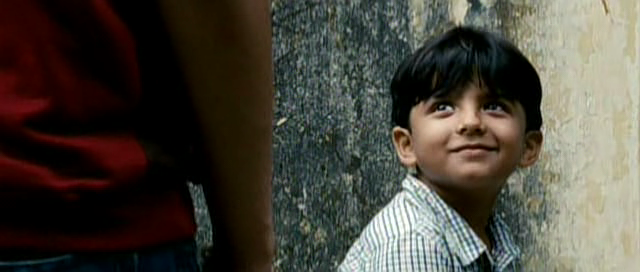
Aayan Boradia in Udaan


Ieri sera a Mumbai sono stati assegnati gli Star Screen Award per la produzione cinematografica del 2010. La cerimonia è stata presentata da Shah Rukh Khan e da Shahid Kapoor. Segnalo di seguito i vincitori nelle categorie più importanti:

* Miglior film: Udaan
* Miglior regista: Vikramaditya Motwane per Udaan
* Miglior attore protagonista: Salman Khan per Dabangg
* Miglior attrice protagonista: Vidya Balan per Ishqiya
* Miglior attore non protagonista: Arshad Warsi per Ishqiya
* Miglior attrice non protagonista: Shernaz Patel per Guzaarish
* Miglior attore in un ruolo negativo: Ronit Roy per Udaan
* Miglior attore in un ruolo comico: Sanjay Mishra per Phas Gaye Re Obama
* Miglior attore giovane: Aayan Boradia per Udaan
* Miglior colonna sonora: Dabangg (Sajid-Wajid e Lalit Pandit) e My name is Khan (Shankar-Ehsaan-Loy)
* Miglior coreografia: Munni Badnaam (Farah Khan) inclusa in Dabangg