Visualizzazione post con etichetta INIT ATTORI ITALIANI. Mostra tutti i post

30 gennaio 2025

QUESTIONE DI STOFFA


Questione di stoffa è un film per la televisione diretto da Alessandro Angelini e interpretato da Kabir Bedi e da Pierpaolo Spollon. Questione di stoffa era stato proiettato in anteprima il 2 ottobre 2024 a Torino nel corso della 76esima edizione del Prix Italia. In quell'occasione Kabir aveva partecipato ad una conferenza stampa e alla proiezione della pellicola. Il 3 novembre il film era stato trasmesso in prima serata da Rai 1, guadagnandosi la preferenza di 2.301.000 spettatori. Lo stesso giorno, nel pomeriggio, l'attore indiano era ospite di Domenica In.
Video Rai: conferenza stampa al Prix Italia
Video Rai: Domenica In

Prix Italia 2024


'D: Kabir Bedi, cosa l’ha spinta ad accettare questo ruolo?
«Noi attori cerchiamo sempre ruoli interessanti, in questo caso si è trattato di qualcosa di molto speciale per me perché è una storia di indiani e italiani e per quarant’anni ho provato a migliorare i rapporti tra queste popolazioni. In questa prospettiva è una storia perfetta per trasmettere il messaggio che la cooperazione è meglio del conflitto, specialmente oggi in cui c’è la guerra in Europa, in Medio Oriente e in altre parti del mondo. La guerra non serve a nessuno. È stato bello interpretare questo ruolo e lavorare con questo cast: tutti noi abbiamo da imparare dagli altri. Ho avuto l’opportunità di lavorare con Alessandro Angelini e una nuova generazione di attori come Pierpaolo Spollon». (...)
D: Angelini, (...) per questo film tv è anche sceneggiatore su quali elementi avete puntato? (...)
«Kabir si è messo con grande generosità al servizio del film e una battuta che fa quando entra nella sartoria ‘concorrente’ è una delle più riuscite perché ci fa entrare direttamente anche in quella che è un po’ la storia di Kabir con l’Italia».'

Prix Italia 2024

Vi ricordo che, al termine delle riprese di Questione di stoffa, tra la fine di luglio e gli inizi di agosto 2024 Kabir Bedi era in Puglia in vacanza. Video girato dall'attore ad Ostuni. Video girato ad Alberobello. Inoltre approfitto per segnalarvi il video Mediaset della partecipazione di Kabir (dal minuto 14.00) e Romina Power alla puntata del 15 dicembre 2024 di Verissimo.

Domenica In

Domenica In


23 gennaio 2025

PRIYANKA CHOPRA, SAMANTHA PRABHU E MATILDA DE ANGELIS: EVENTO CITADEL


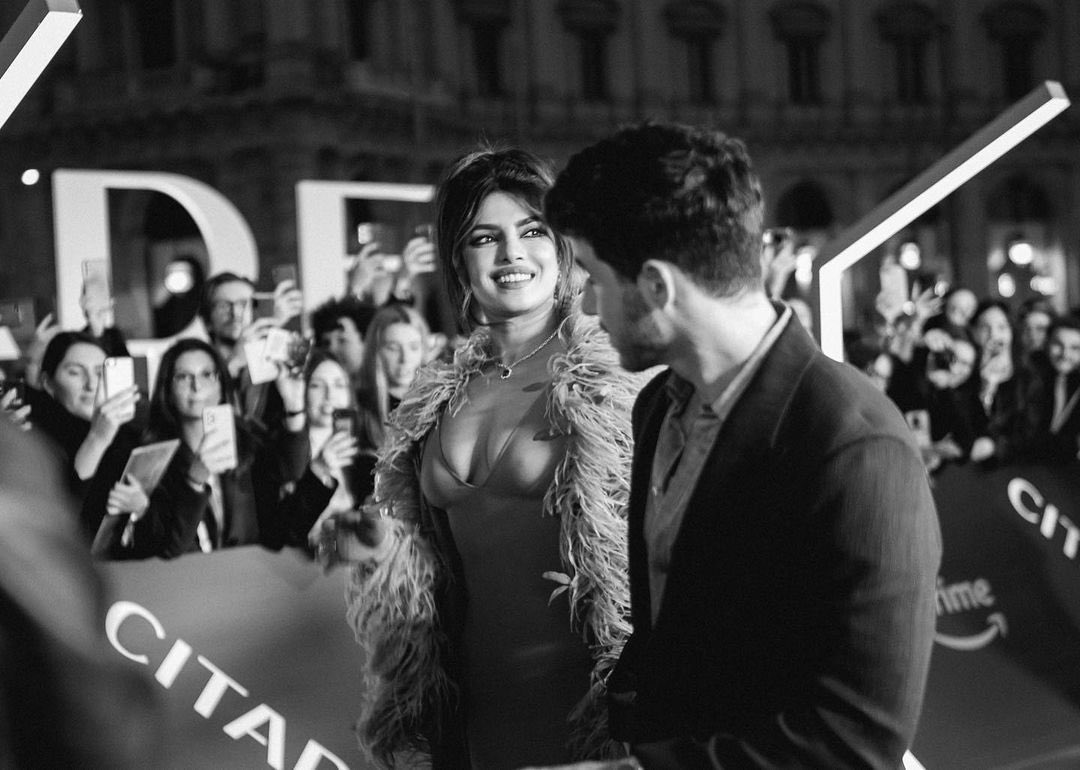
Il 24 settembre 2024 Prime Video aveva organizzato a Londra un evento speciale per presentare le serie Citadel: Diana e Citadel: Honey Bunny, spin-off italiano e indiano della serie principale Citadel. Ospiti d'onore le tre attrici protagoniste: Priyanka Chopra (Citadel), Matilda De Angelis (Diana), e Samantha Prabhu (Honey Bunny) accompagnata dai registi Raj & DK. Citadel: Diana (trailer) è disponibile sulla piattaforma streaming Prime Video dal 10 ottobre 2024, Citadel: Honey Bunny (trailer) dal 7 novembre 2024. Video ufficiale di celebrazione delle tre serie, con dichiarazioni del cast - inclusa Matilda.
Il primo ottobre 2024, sempre nella capitale britannica, Priyanka e Matilda avevano inoltre partecipato all'evento Prime Video Presents: Trailblazers. Priyanka in ottobre era a Londra per le riprese della seconda stagione di Citadel. 
Vedi anche: Priyanka Chopra a Roma: evento Citadel, 23 aprile 2023


Vi segnalo l'articolo Citadel-Diana's Matilda De Angelis: ‘Watched Priyanka after I had shot for my Citadel’, di Mayank Shekhar, pubblicato da Mid-Day l'11 ottobre 2024:

'“I was over for the London première of Citadel and watched Priyanka Chopra for the first time,” says Italian lead actor, Matilda De Angelis, from Citadel Diana. (...) By then, Matilda says, she had already shot for her own show: “So, I couldn’t take anything from Priyanka’s performance in Citadel [into mine]. But I just thought to myself - please, let me be, at least, as good as her!” In the series, Matilda plays spy Diana. That’s pronounced ‘Dee-a-naa’, the Italian way. As against ‘Die-a-naa’ for the late princess, from London - where Mid-Day exclusively met Matilda, along with her showrunner, executive producer, Gina Gardini. (...)


The final frame of Citadel (2023) lets out that there will be Diana. One wonders, if the Indian version was planned alongside. Gina says, “We started at the same time, five-and-a-half years ago. The fantastic part of the experience was the [Indian and Italian] showrunners, writers, would get together every two weeks, to spend two hours on Zoom, to check where we were at [in the writing process].” Which is different from a common writers’ room “that involves 27 people, over 10 months, breaking down episodes. Our mission from the Russos and to Raj & DK [creators from India] was the shows have to stand on their own. The idea isn’t [to develop] interconnected stories, like Marvel. There are, however, several winks in both shows - subtle easter eggs for super-fans, where Diana’s world is in Honey Bunny, and Citadel itself.” That Italy and India got picked first for expanding the Citadel spy-verse, appears natural to Gina: “Histories of cinema in both countries go back a hundred years, with strong cultural identities. Our family values are similar. Also, despite genres, we try and tell deeply emotional stories. This isn’t just true for Diana and Honey Bunny, but the overarching Citadel as well.”


While Matilda would like to be favourably compared to Priyanka in her Italian Citadel, what she has in common with the dually hyphenated (Bollywood-Hollywood) star is she’s also a singer. To drill in the fact of how big Matilda is, back home, the Italian press in London - rightly mesmerised by her performance in the show’s first episode première - told Mid-Day, what beats everything else is, she’s hosted Sanremo! Matilda laughs, “Can you imagine? I did 20 movies, but the time I conducted that one show, everybody got to know me, what am I doing [with myself]!” And what’s Sanremo? “It’s our Super Bowl.” Only, that instead of sport/American football, it involves Italy’s top musicians competing annually, as if on Indian Idol, that the whole nation is collectively hooked to. Matilda doesn’t sing in Citadel. For her favourite musical movie-moment, she points us to “the sequence of singing and acting in the film, Robbing Mussolini - really proud of that scene” .'

Video Mid-Day

Priyanka Chopra, Samantha Prabhu, Matilda De Angelis, Raj & DK


Evento Prime Video Presents: Trailblazers


31 dicembre 2024

GIFFONI FILM FESTIVAL 2024


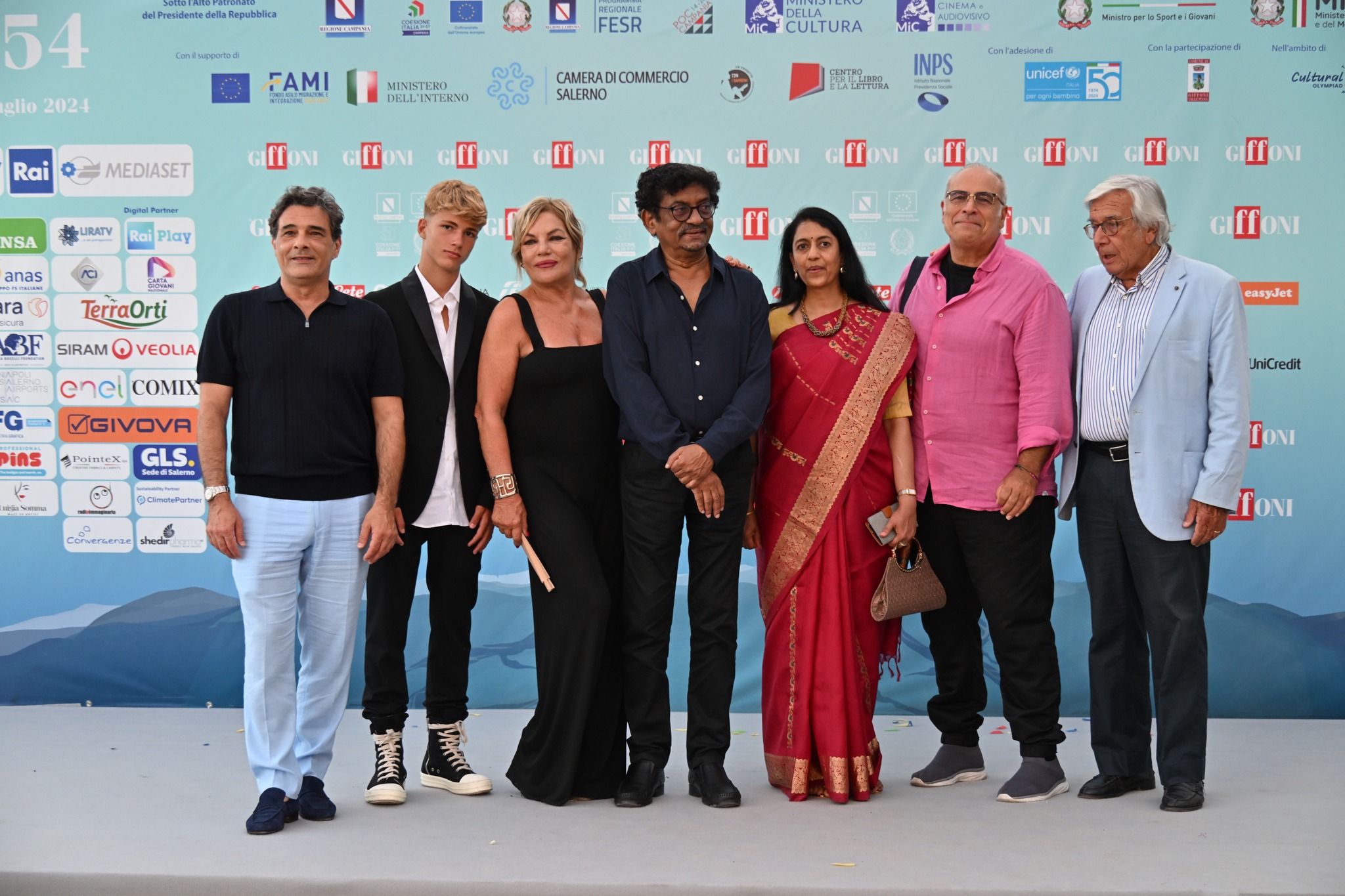
La 54esima edizione del Giffoni Film Festival si è svolta dal 19 al 28 luglio 2024. In cartellone il documentario Until I fly, coproduzione indo-francese diretta da Kanishka Sonthalia e Siddesh Shetty, e Parikrama, coproduzione indo-italiana diretta da Goutam Ghose e interpretata (fra gli altri) da Chitrangada Singh. Nel sito ufficiale della manifestazione si legge:


'Ad aprire l’anteprima assoluta di Parikrama - La storia di Lala di Goutam Ghose è l’ideatore e fondatore del festival Claudio Gubitosi «Noi vediamo film che narrano storie e poi ci sono storie che diventano film». Il film, infatti, nasce dal libro di Sergio Scapagnini “La storia di Lala” che ha affascinato il regista Goutam Ghose (unico regista indiano ad aver ricevuto il Premio “Vittorio De Sica” alla carriera). Lala, in particolare cattura l’attenzione di Ghose, è un simbolo di forza e resilienza, un ragazzino che fa di tutto per cercare di aiutar la sua famiglia. L’altro protagonista del film è Alessandro, un regista italiano che realizza film su questioni ambientali, le storie dei due si intrecciano nel viaggio in India del regista. L’opera non vuole essere il tipico film sugli occidentali in India, al contrario mostra come l’umanità sia una. In sala Galileo l'Ambasciatrice dell'India H.E. Vani Rao sottolinea che onore è per lei presentare la prima co-produzione indo-italiana riconosciuta nell'accordo intergovernativo "Audio Visual Co-Production Agreement between India and Italy" e che vede il nostro Ministero della Cultura e la Regione Campania, il Ministry of Information and Broadcasting e il Ministry of Tourism of Madhya Pradesh compartecipi per la realizzazione del film. Ospiti del Giffoni #54 sono gli attori e il regista che hanno lavorato a Parikrama - La storia di Lala. Marco Leonardi, Cristina Donadio, Enzo Decaro, il produttore Sergio Scapagnini e il regista Goutam Ghose onorano il festival della loro presenza. Cristina Donadio, interprete della madre di Alessandro, racconta di come la preparazione sia stato un viaggio complesso e meraviglioso «ancora adesso se penso agli occhi di Lala mi commuovo». Marco Leonardi definisce il film un’opera spirituale, rappresenta, infatti, il pellegrinaggio più grande del mondo su un fiume sacro oggi deviato dalle dighe. L’India è stata dilaniata dalle dighe e il protagonista Alessandro non può fare a meno di adirarsi alla vista di tanta mostruosità. Enzo Decaro descrive il film come in grado di unire il mondo letterario di Scapagnini e quello cinematografico di Ghose. «Lala è l’archetipo totale di fede, coraggio e sorridente ottimismo» racconta, infine, Sergio Scapagnini'.


Vi segnalo anche l'articolo Giffoni Film Festival, presentato in anteprima “Parikrama” con Marco Leonardi, Ilaria Cotarella, Il Mattino, 22 luglio 2024:
'«Questa storia viene fuori grazie a Sergio Scapagnini che ha ben pensato fosse una buona sceneggiatura per un film. Ci sono molti italiani che restano affascinati dall'India e che ci vengono per motivi di lavoro. Al di là delle differenze culturali io credo che gli esseri umani siano tutti uguali» ha affermato il regista Ghose, «È una pellicola di emozioni e di sogni. Credo che dentro ci sia anche un'esortazione ad amare tutti coloro che ci circondano». «La preparazione di questo film è stata complicata ma è stato un viaggio meraviglioso. Se penso agli occhi di Lala, il protagonista, ancora mi commuovo», ha affermato Cristina Donadio, «Io interpreto la mamma del regista, autenticamente dolce ed autoritaria allo stesso tempo. Sono orgogliosa di aver fatto parte di questo film, invito tutti ad andare a vederlo quando uscirà», ha concluso. «Scapagnini mi ha voluto nel suo film perchè ho interpretato Maradona», ha commentato ironicamente Marco Leonardi, «La sceneggiatura del film non mi è arrivata subito e quindi ho trascorso molto tempo a dialogare con Sergio, perchè volevo capire e soprattutto perchè mi interessava sapere il motivo del suo amore per l'India, che lo stesso protagonista ha. Ho pensato, a tratti, di interpretare Scapagnini perchè lui è stato tanti anni lì. Ha realizzato molte cose lì. Alex, il protagonista, ritorna in India per capire il progresso come abbia agito sui villaggi di contadini. Il progresso tanto offre, quanto toglie», ha sottolineato Leonardi.'

Giffoni Film Festival: al centro, Goutam Ghose


Lo scorso 7 dicembre Parikrama è stato proiettato al Kolkata International Film Festival. La pellicola dovrebbe essere distribuita nelle nostre sale nei primi mesi del 2025.
Nel corso della sua luminosa carriera, Goutam Ghose ha collezionato una quantità criminale di National Film Award (fra gli altri). Numerosi e importanti i legami con l'Italia: 
* nel 1984 Paar viene presentato alla Mostra del Cinema di Venezia, Naseeruddin Shah vince il premio per il miglior attore; 
* nel 1994 Patang è in cartellone al Taormina Film Fest, Shabana Azmi conquista il premio per la miglior attrice; 
* nel film del 1995 Vrindavan Film Studios, coproduzione italo-indiana diretta da Lamberto Lambertini, Ghose interpreta se stesso. Nel cast, fra gli altri, Sonali Kulkarni, Soumitra Chatterjee ed Enzo Decaro. Sergio Scapagnini collabora alla produzione;
* nel 2004 il documentario Impermanence, coproduzione indo-italiana, viene presentato alla Mostra del Cinema di Venezia nella sezione Cinema Digitale;
* nel 2006 Ghose viene insignito dell'Ordine della Stella della Solidarietà Italiana.

Goutam Ghose e Sergio Scapagnini, Kolkata, dicembre 2024

Nel corso del festival è stato consegnato al regista Ackshaj Anand il premio per il miglior film assegnato dalla rassegna Giffoni Shock (la cui prima edizione si era svolta dal 16 al 20 aprile 2024) al cortometraggio di animazione That doesn't fit (visionabile qui). Nel sito ufficiale del festival si legge:

Ackshaj Anand

'È appena arrivato dall’India e, con i suoi appena 23 anni e un entusiasmo che contagia i giffoner +18, il regista Ackshaj Anand riceve il premio Giffoni Shock, un concorso per opere sperimentali alla sua prima edizione, con il cortometraggio “That doesn’t fit”. “Sono felice di essere qui. Questo è il mio primissimo film - dice - E questa è la mia prima volta in Italia”. E racconta di aver deciso di “partecipare a Giffoni Shock perché mi piaceva Giffoni - spiega - ma anche perché, sebbene il mio corto non si rivolga solo a un pubblico giovane ma a un pubblico di ogni età, mi faceva piacere condividerlo con i ragazzi per dire loro di non essere come gli altri, di non seguire regole precostituite, ma di essere semplicemente se stessi”. Il corto incanta i giffoner nella sala verde a dispetto della sensazione di disagio continuo rappresentata nel film. “Si tratta di scene di vita che nel corso della mia crescita ho osservato e vissuto - spiega Anand - Mi sono basato su cose della vita fatte e vissute senza neanche un perché”. E spiega: “Ho sempre frequentato gruppi di persone molto diversi e non mi sono sentito mai membro di ognuno di quei gruppi. Però va bene così perché non bisogna necessariamente provare un senso di appartenenza”. Insomma, ribadisce, “il corto nasce dal senso di frustrazione che provo ogni giorno quando non riesco a fare quello che voglio”. 
Appassionato di manga e anime, Anand racconta: “Fino a cinque anni fa non avevo idea di cosa volevo fare. Poi, a 18 anni ho iniziato a capire di avere una passione. All’inizio ho cominciato a fare schizzi sui quaderni e ho iniziato a capire dove mi poteva portare questa passione”. Quei quaderni Anand li ha portati con sé dalla sua India per permettere ai ragazzi di sfogliarli. Del resto, lo stesso storyboard del corto è stato fatto tutto su carta. E non solo: “A parte la postproduzione - racconta - ho fatto tutto da solo. Ci sono voluti circa sei mesi. Ho fatto tutto un passo alla volta. Quindi - dice ai ragazzi - tutti potete riuscire a fare un lavoro del genere”. Non mancano, in risposta alle numerose curiosità dei giffoner, le spiegazioni su alcune scene del corto: “La scena dei pezzi del puzzle che si uniscono nasce dal fatto che alla fine c’è sempre qualcosa che non va. Credo sia la rappresentazione di quello che siamo anche quando ci troviamo in situazioni con gente che conosciamo, perché non riusciamo mai a sentirci inseriti in un contesto al cento per cento”. Quanto alla scelta dei colori, “c’è un preciso schema: da un lato verde e blu, dall’altro lato il giallo. E poi ho voluto riprendere anche la vivacità di alcune strisce di fumetti che hanno colori così forti e vividi”. Ma quanto all’ispirazione, confessa che “sebbene cresciuto più con anime e manga”, ha tratto ispirazione “da artisti di tutto il mondo”. Ricevuto il premio Giffoni Shock e incassati i complimenti entusiasti della sala, il giovane regista indiano parla dei suoi progetti futuri: “Vorrei continuare con l’animazione. Questo è stato il mio primissimo film, spero di poterne fare tanti altri”.'


09 novembre 2023

SAIF ALI KHAN: WHEN MY FATHER DIED, PATAUDI PALACE GOT RENTED


[Archivio]

Vi propongo una piacevolissima (e lunghissima) intervista concessa da Saif Ali Khan a Mayank Shekhar, pubblicata da Mid-Day il 7 novembre 2019. Il testo include il video dell'intervista integrale. Saif Ali Khan: When my father died, Pataudi Palace got rented:

'You get called the 'Nawab', which inheritance-wise, you are [of Pataudi]. But the fact is you're actually a self-made actor, having taken nothing from parents, ever since you moved to Bombay, at 20!
Yes, thank you. (...) People have a certain fixed notion. For that matter, even [with] Pataudi [palace], when my father [Mansur Ali Khan Pataudi] died, it got rented to Neemrana Hotels. Aman [Nath] and Francis [Wacziarg] used to run [the hotel]. Francis passed away. He'd said that if I wanted [the palace] back, I could let him know. I said: I want it back. They held a conference, and said, okay, you have to give us lots of money! (...) Which I then consequently earned. So, even the house I'm supposed to have inherited has been earned back through money from films. You can't live off the past. At least we can't in our family, because there was nothing. There is history, culture, beautiful photographs; and, of course, some land. It has been a privileged upbringing. But there's been no inheritance.
You moved to a rented apartment in Bombay, is that how it worked?
I was born and even raised in Bombay. My father lived with my mother in her [Carmichael Road] flat; I went to Cathedral, spent time in Bombay Gym - in a world more influenced by my father's, than films. He had just finished playing cricket. His last Test series was when I was four/five. My mother [actor Sharmila Tagore] says he was bunking his responsibilities. His mother was looking after things in Bhopal and Pataudi. She'd got old. So we moved to Delhi to live with her. It was a nice, big old house in Delhi, which she had been given for her lifetime, in return for land, property and other kinds of deals that these old [royal] families had made with the Indian government.
That'd be 1971 [when privy purses were abolished], right?
1971, exactly. So, that's why we moved to Delhi. I had fun. That was the generation of designers like Rohit Bal, Rohit Khosla, Ashish Soni... These were the first people I came across, doing something off-beat, in terms of art, culture. Which might have planted a seed [within me] to go and act in films!


You did start off with an ad.
My father sent me to an ad agency to get a job, because I was partying a lot.
Where were you partying?
In Ghunghroo [discotheque at Delhi's Maurya Sheraton]. It was fantastic. My father put me on a bus to an ad agency in Sunder Nagar. One of my jobs was to make religious calendars for Birlas. The only creative [call] was whether we should put Lord Vishnu in October, or November. I soon lost interest!
And the Gwalior ad happened?
Which, again, had to do with my father. My parents were shooting a Gwalior ad together. Honestly the way my upbringing was, the kind of life I'd had, or lack of confidence - I wasn't a cinematic figure, in terms of being shot in photos. I was effeminate, coy, shy, unsure, worst qualities for a...
A leading man?
As an actor in Bombay, yes. But not bad for a western, academic school-boy. That was a different culture altogether. So some quick learning was required.


And then you moved to Bombay. Where did you first rent a place?
In Lokhandwala; a building called Red Rose One. It was a small flat with cane furniture. The producer's daughter had very kindly done it up for me. Until one night I came home with friends, and couldn't open the bedroom door. She had locked it. I think she had a plan. There was a big gap between the door and carpet. I peeped from under, and could see her lying like a whale on my bed. And I thought I'm not going in there. So we went out again!
You began your career pretty much by yourself, and it was, I hear, a disastrous start! Take us through it?
So I went to a really academic, school - the oldest in England - Winchester. The idea [of being there] was obvious. You go to Oxford [or a similar place] thereafter. That hadn't worked out. I was in the black books of my parents, what with Delhi, partying and Ghungroo. I was getting scared. Because there was nothing I was interested in. After the Gwalior ad, when [director] Aanand Mahendroo mentioned a film [to me], bells started ringing. The thought of moving to Bombay sounded so exciting. I remember having that shower in Delhi, in that old house, which had funny water [plumbing], it wouldn't work half the time, and I'd fiddle with it, too hot or too cold...
Saif, you're digressing.
Sorry. Chipkalis [lizards] on the ceiling. Okay, stop! I remember that shower and being excited about a kind of life I could see - coming to Bombay, struggling, little rented flat, films, meeting people, collaborating... It is the only job that, from 18, when I started considering it seriously, I've always been passionate about.
Were you not a movie buff?
Yeah, but a western, as an American, movie-buff. When I was young and my mother [Sharmila Tagore] was an actor, I'd see her crying on screen. It's not something I enjoyed. Hindi films in the '70s were also overtly emotional.


So, Aanand Mahendroo...
He offers me this movie, and comes to Ghungroo. I tell my friends, "Hey guys, this is my director..." He has a couple of vodkas. The same guys tell me, "Bro, your director friend is in the bathroom [throwing up]!" I should've realised we were in a bit of trouble. We came to Bombay. Sattee Shourie was our producer. Then somebody told me a story about an ambitious film she had made called Farishtay [1991] with Vinod Khanna. There were panthers chasing him in a shot in that film. She ran out of money during shoot. In the same scene, when he [Khanna] comes around the corner, there are no panthers. Because no money. So, she got some dogs, and painted them black. This is after she had been kidnapped by a cab-union driver!
That was your first producer!
Yes, she used to pay me Rs 1,000 a week. And I'd have to kiss her 10 times on the cheek. Anyway, she had a fight with the director, and I got saved. Because the film got shelved. Then, Rahul Rawail cast me in his film.
And that was a disaster too?
Kamal Sadanah was in the movie. So he [Rawail] threw out Kamal, and took me - for no fault of Kamal's. And then found out that I was worse, and threw me out. And took him!
Apparently you showed up drunk on set, slept off...
You've done your research. But no, that's not true. Nobody turns up drunk on set. I was just not subservient, sitting around all day. There could've been some attitude problem, which I myself wasn't seeing. I [probably] didn't understand how serious things are. You might come across as really cocky, because you think it's really funny, when it's not.
Did you make friends easily in Bombay though?
I did. Many of them are producers now. Some of them are in LA. I remember Dileep Singh Rathore [Hollywood production manager for Blood Diamond, The Dark Knight Rises] and I used to do acting classes together. And we'd get asked to take our shirts off; another guy would do push-ups with his shirt off. All the things [work-place sensitisation] happening lately is good. This crap's been going on forever. Luckily, we were like, no bro, we're not doing this.


And then you finally debuted with Yash Chopra.
It is personal and I don't want to dwell much on it - I also ran away from home, and got married at 20. And I've to give Amrita [Singh], my ex-wife, credit for being the only person who taught me to take it all [work/show-business] seriously. She said you can't hit the target while laughing at it. That's when Parampara happened. Yashji called to say he was looking for a fourth lead, or something. I was like, great; yeah, anything. I'll do it. It's like investment in stock - if Yash Chopra is taking him in Parampara, [the industry believes] let's invest in this. For me, it was as simple as, this has to work. There's nothing else. That focus was required. And taught to me, and I inculcated.
If we watch retro Lehren [video-magazine] interviews from back then, it seems like you, now, and that guy are two different people!
I sometimes find myself doing the same stuff. Maybe I haven't changed! But it's an age, and exposure thing. Your upbringing, the culture you're given, and the academic grounding that teaches you to be humble, understated... They come flooding back later. Not when you were trying to fit in - giving gaalis, drinking Bacardi, being one of the boys in the '90s; and then you question: Do I want to be known like that? Or should I be comfortable about how I express? It's true for people. I've read characters in plays that are rebellious, and then embrace everything they rebelled against.
I meant more in terms of the duality between who you were as a person, and what you did [in terms of movies] in the '90s.
For sure. Because you had to fit into a certain mould in the '90s. There wasn't that much room for experimentation. Aamir Khan said he'll do max five films a year, when others were doing 15! Shakti Kapoor said he felt insecure when he didn't have 17 films on floor!


You still had some hits to keep you going though.
This is an organic kind of an industry. Like crude oil, you distil off at different temperatures. So people find their own level. And you need a certain amount of success to survive. So Parampara, the great Yashji film, didn't work. It was his 'safe' film after Lamhe didn't run. Aamir, who did Parampara, got offered Darr. I was the fourth lead. And got offered Yeh Dillagi, a smaller film, with Akshay Kumar also in it. But my role was fun, music was great, so I scored something there.
As a person, did it occur to you that you're not exactly that 'Ole Ole' fellow [from Yeh Dillagi]?
In fact that merge [of sensibilities] is happening now. Which is a sign of some civilisation. Earlier, what you do for a living had nothing to do with what you are [as a person]. The minute we're on set, we are equal; and just part of this thing, and it doesn't matter what... (...) A lot of these films in that time, had great music. That kind of helped [us] survive. You could be an audio hero. I think, I kind of was - quite presentable doing a lot of songs. As for performance, even a big star said, what is acting? Just say your lines in a sincere fashion! Which is how it remained for the longest. There was also the 'Mr Bachchan' hangover.


Dil Chahta Hai [DCH], in that sense, is obviously Saif 2.0.
I would have to say it is people like [director] Farhan [Akhtar] and Aamir Khan, who were effecting change, and I benefitted. I wasn't sure if I wanted to do DCH. I was the third lead, while playing hero in multiple films. Aamir asked me about films I was hero in. I named them. He said this film [DCH] is about three times the size of all those put together - Can you get on the page, it is good cinema, you have to do it. (...) When LOC, or a two-hero film happened, I'd think of Bud Spencer and Terence Hill. In my head there's nothing wrong with it. I've always been happy to compete with the other guy as well. I'm like - you might be the biggest star; but I am going to give you a run for your money. The idea of a buddy-movie was also being liked at the point.
After DCH, there appears to have emerged a certain confidence. How many Bollywood stars have attempted an English film? You did Being Cyrus [2006].
Also, Kaalakaandi [2018]. With Being Cyrus, there was the question of the English sounding natural. American is the language of our English. [Director] Homi [Adajania] wanted me to sound a little Indian. We had to get it right. This is what's happening today - guys who basically speak Hindi are better actors. Language is the thing. (...) Well that was the time when things were coming together. I was at the right place, and also looking like the right guy - it was no longer that funny haircut. Films like Omkara and interesting stuff with Yash Raj were coming together.
And you were killing it with the dialect in Omkara. Tough?
Kind of. But despite perception and projection, I am not actually English, you know! I have grown up in Pataudi, which is in Haryana. I have heard that dialect all my life.


Saif 3.0: You turn producer with Love Aaj Kal. I'm told [director] Imtiaz Ali offered you Rockstar first. True?
Yes, that's right! Of all the ideas, Love Aaj Kal just sounded a bit more commercial, although not the way he wanted to make it. He had quite a grim ending in mind, where this flaky guy finally returns to find out that his girl is eight-months' pregnant. We had to plead with him, until when we were on set in London, he said alright, we can have a happy ending!
Which makes sense, because by then you were the quintessential rom-com leading man; Bollywood's own Hugh Grant, as it were.
Yeah [Hugh Grant], I've heard Karan Johar say that as well. Don't know where it came from. I remember Aditya Chopra telling me that he's got Shah Rukh Khan, who's the king of box-office. That there's this thing called the 'multiplex hero' coming up. And that he's trying to get a handle on it. And he thinks that I could be that multiplex hero, because I'm a little different. Cast correctly, I should hit that genre. So he started making Hum Tum, Salaam|Namaste.
Rom-coms seem to have died altogether. In Hollywood, it's all Marvel anyway. And here...
My wife [Kareena Kapoor] told me that that genre has changed into [films like] Badhaai Ho. Don't know if true. Think she means the lead character, trying to figure out life in New York etc., is passé. Also, confusion, being unsure, a bit of a mess, is the hallmark of the rom-com hero. Because there is no villain. Villain is your flaky self. Which, maybe, doesn't fit well, when you're supposedly more grown-up. Maybe she [Kareena] just doesn't want to see me like that!
Still with [producer] Saif 3.0, you did a zombie-comedy [Go Goa Gone] in Bollywood -spoof/subversion of a genre, while we hadn't had a proper zombie film!
It seemed like a good, entertaining idea. Frankly I don't think I'm a great producer. What I love might not be everybody's cup of tea. A great producer can tell: Okay, this is a joke, as in an amazing, four-line anecdote; not a film. Or this is a film. Or this is a short-story/book. He can sort out different mediums. Within films, he should also be able to tell at what budget that story should be made. Don't think I have that ability.


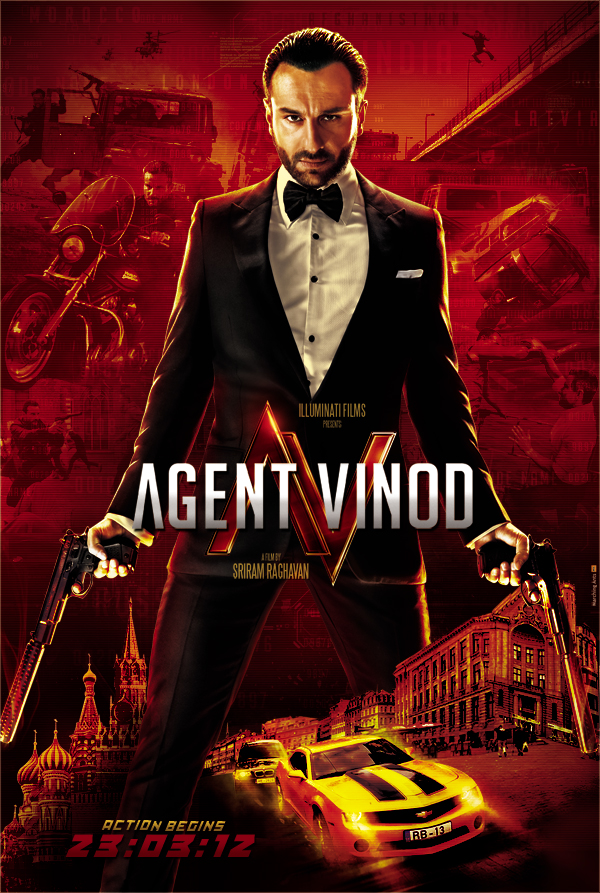
[Referring to Sriram Raghavan's] Agent Vinod, that you wanted to make?
I made a mistake. I thought Jack Bauer from 24; so why not an Indian Agent Vinod? Apart from a complicated script, we missed out on the character's 'Indianness'. This guy was looking bit too western - dinner-jacket, suaveness. He should've been wearing chashma, holding a ball-pen...
Did you decide to shelve the film during its making?
No, again, Dinesh Vijan was [co-]producing. He is good at balancing stuff. What had happened was that we were shooting at a heritage site - action-sequence, with machine guns and all. We needed to blow up stuff. So we said, okay, there are a couple of beautiful, medieval temple structures...
No!
Of course not! We built replicas 100 yards away. The people there went nuts, suggesting that we were blowing up the complex. They stopped our shoot. We had to reschedule, scrap what we were doing, etc. But we managed.


Curious to know, why did you name your company Illuminati? Anything to do with the conspiracy-theory about a society of elites that secretly rules the world?
No. There was something about illumination and light. There's also the fact about Illuminati being a group of people, including Isaac Newton etc, who questioned authority of Church and talked about importance of secular knowledge. But, ultimately, 'Illuminati' is to illuminate. And that is what a film projector does. Johnny Depp had a production company called Infinitum Nihil - 'nothing is impossible'. And I used to look up to him. Now he's been replaced by Tom Hardy.
Why did you and [your co-producer] Vijan part ways?
Because Dinesh Vijan is on his way to becoming a big film-producer. I wanted someone to run my production company. Which is fair. That's why people usually leave. I don't want to make films for 20 other people. I see myself as more of an actor.
In Cocktail, you did offer the lead role to other people.
We did. I only stepped into Cocktail, because Ranbir [Kapoor] and Imran [Khan] didn't want to do it. So I said, okay, I'll do it. They should remember that.


Stepping into Saif 4.0: Your entire career put together would be the polar opposite of the subdued Sartaj Singh from Sacred Games [on Netflix]. Conscious call?
It's got a lot to do with [director/show-runner] Vikram Motwane. On Day One, we were in Madh Island. Distance wise, this was painful for me, before the ferry, I realised... (...) I was doing an investigation scene. And he [Motwane] said, cut, and just told me to bring my energy levels down: "You're too hyper!" It was a different kind of communication from anything I had done before - the feeling of trusting the camera, and not showing what you feel. It was the first piece of film I had ever worked on with that thehraav.
You've been talking about unlearning, reading acting books etc, something you didn't do before.
But before that, a little bit of background. Which is about the way we were brought up in the movies. I don't know about Dilip Kumar Saab, and Amitabh Bachchan. But after the '60s and '70s, there was a creative slump, where the attitude with cool guys was: We don't talk about acting, work... Who learns lines? It was like how we used to laugh at nerdy kids in school. People used to wonder why Aamir is taking things seriously - there was just this whole attitude of 'unseriousness'. There was a glamour and starry vibe. It certainly wasn't about prepping for work, which has changed.
You were the first Bollywood star to green-light a web series. And you said no to Homeland, is that true?
Well, I was asked to read for Homeland, which I did, and then asked to come down to LA or New Zealand to read some more. I could have pursued it more aggressively. But I was busy here. I remember [daughter] Sara [Ali Khan] helping me a lot, people getting excited. But it wasn't a great part. It wasn't the main lead. The part went to an Etonian [Damien Lewis]. Now you can't have a Winchester boy playing [second fiddle to an Etonian]!
Would Sacred Games be the first time your school-friends watched your work?
Yes, good point. And they are quite academic, and say things like, it's really interesting that a Muslim guy plays Sardar, and in this kind of world, that's good contribution!


(Audience) Pacing of Sacred Games 2 came under question. What did you make of it?
I didn't like the second season as much as I liked the first, which was the newest and most interesting thing I had ever seen on TV, from any country. It was a mafia show with a disturbed cop. But it [Season 2] became a bit esoteric and slow, with the treatment of the guru with Gaitonde.
'I did not like Sacred Games Season 2,' reads like a headline!
But, you know, I didn't. We were in England. It was my birthday [when the season dropped]. Five of us had rented a country-cottage, including a South American book publisher friend of mine, who also speaks a bit of Hindi, loves different cultures. We opened a bottle of Champagne, got Netflix on...
That was your premiere.
Yes. We didn't even tell Kareena. And we sat. After a while I said, okay, I'll watch this on my own later. That didn't happen with Season 1. I shouldn't probably say this.


(Audience) In [Raghavan's] Ek Hasina Thi [EHT], you play the most believable f***boy. How did you pull it off?"
I was just happy to play something cooler, and darker. (...)
What happened in the second half of EHT, though. You think it went a little berserk?
It did. Sriram and I have gone berserk a couple of times [laughs]. And then he does Andhadhun [without me]! I don't mean to sell Sriram out, but he paints himself into a corner, and then tries to write himself out of it. Which is great. But might not always work, although the good stuff about EHT outweighed...
The first half was killer.
Yeah.
(Audience) You've often gravitated towards morally corrupt characters. Does that give you more room?
I'm just interested in those situations, more than glory of God. Hrithik, for example, suits a Ram-like character.
What role did you play in Hum Saath - Saath Hain?
Krishna - he's a naughty little version. Salman was Ram. I found it exhausting. One of the most tiring things is to be so happy and positive all the time. And Sooraj-ji [Barjatya] used to say, "Do it your way. But smile!"


How different is it to work with, say, Abbas-Mustan, from Sooraj Barjatya?It took me a while to figure out Abbas-Mustan. Mustan Bhai would give instructions. (...) Then there's Hussain Bhai, the third brother, who is unsung - one of the best editors. He probably contributed the most to films like Race. They'd start shoot at 10 am, wrap at 5 pm. Love these guys, easiest shoot ever.
They never shoot nights.
They just can't. Then Akshaye Khanna told me that I was behaving like a star with them. That I'm not hugging them enough. That I should hang out, and give them more love! I went to their room at Hilton, in South Africa. There was a white sheet on the floor they were sitting on, and having whiskey and peanuts. They asked me to join in. I sat there for a bit. At some point, they told me I don't have to do this [socialising], if I don't want to - just turn up on set, do my bit. That was great relief. We got along really well after. With Sooraj-ji, I just remember the sheer number of people coming to see him on set, touching his feet - from top heroine to struggling actresses.
Just to say hi on set?
In the most charming way! I remember Rekhaji coming to see him, and she's senior. That's power. And distributors would throw themselves at their feet on set, asking when's the film out, that there's a drought in theatres. They [Barjatyas] were the princes of the film industry. I remember Salman telling Sooraj-ji [about HSSH], "Do you think you'll give a hat-trick? It's quite rare." And I'm like, God, who talks to him like that! So, Abbas-Mustan and Rajshris are different sides of a coin.
Can't imagine Barjatyas on the floor, with booze and chakna.
Definitely, around the table, eating together. No, drinking, that's impossible!


Last question: You've been vocal about issues all along. But when the #MeToo movement happened, it seemed like you didn't say much, or anything; especially given that the head of the company managing you was accused.
But I said so much about #MeToo. Never heard? It's disgusting to make a workplace hostile. Whatever is happening is really good. I don't think there's any smoke without fire. But sometimes they [survivors] have to come forward. You have to. And we have to support these women. [At the same time] a guy's career can be destroyed, without any proof. So there are two things. You've got to be a little sure, before you destroy somebody, in any way. Also, whether it is a sign of our culture - we take down one or two juicy targets, that nobody really minds plucking out. Nobody touches the big boys! I don't know how civilised that is'.

23 aprile 2023

PRIYANKA CHOPRA A ROMA: EVENTO CITADEL


Lo scorso 21 aprile Priyanka Chopra e Nick Jonas erano a Roma per promuovere la serie americana Citadel. In programma conferenza stampa, red carpet e proiezione in anteprima delle prime due puntate presso la sala The Space Cinema Moderno, cena al ristorante Antica Pesa. Fedez aveva annunciato che avrebbe intervistato la diva indiana per conto di Prime Video Italia, intervista sembrerebbe poi annullata. Per la serata Priyanka ha sfoggiato un magnifico abito di Valentino color verde salvia.  
Citadel sarà disponibile sulla piattaforma streaming Prime Video a partire dal prossimo 28 aprile. Priyanka Chopra è la protagonista della serie insieme a Richard Madden. La prima stagione prevede sei episodi. Trailer. Sono già in produzione uno spin-off indiano, diretto da Raj & DK e interpretato da Varun Dhawan e Samantha Prabhu, e uno italiano interpretato da Matilda De Angelis. Lo scorso 18 aprile, all'evento analogo organizzato a Londra avevano partecipato anche Varun, Samantha, Raj & DK e Matilda. Il tour promozionale di Citadel era partito da Mumbai il 4 aprile; in quell'occasione Priyanka aveva indossato un capo di Versace.


RASSEGNA STAMPA/VIDEO (aggiornata al 24 aprile 2023)

'Priyanka Chopra Jonas: Ciò che mi ha attirato è stata l’ambizione dello show è l’idea che avremo una serie italiana e una indiana, ma anche la possibilità di avere più show in giro per il mondo. È un modo figo di globalizzare l’intrattenimento. Dalla prospettiva di una persona che ha lavorato in altri Paesi è un mio sogno quello di vedere attori e registi di posti diversi lavorare insieme per qualcosa di grande come questa serie. Questo è stato fighissimo. Ovviamente il mio personaggio è incredibile, perché vedi una meravigliosa spia donna nel mondo dello spionaggio, notoriamente dominato dagli uomini. Ma più di ogni cosa, l’ambizione internazionale della serie tv è qualcosa di inedito e particolarmente elettrizzante per me. (...) Non so se mi mancava l’azione ma è qualcosa con cui mi sento a mio agio. Adoro l’idea di questa serie incredibile, entrambi i personaggi hanno questa dualità: chi erano prima dell’incidente, chi sono dopo e chi diventano. È stato molto divertente scavare in questi personaggi, poi amo lavorare con persone che ammiro e stimo come i fratelli Russo, è stato esaltante lasciarsi dirigere da loro e vedere come pensano e costruiscono questo incredibile universo. Poi David [Weil] [responsabile creativo] è arrivato e ci siamo seduti a parlare del mio personaggio per cinque ore, l’ho percepito come molto rispettoso ma anche molto collaborativo, è stato meraviglioso'.


'Chopra: "Fin da subito mi è piaciuta l’idea che ci fossero diversi progetti in più paesi". (...) Chopra era già stata in Quantico: "Non so se mi mancava l’azione, ma qui mi interessava molto la dualità del mio personaggio che è in un modo prima dell’incidente e poi cambia subito dopo. Mi è piaciuto lavorare con i fratelli Russo e il loro approccio al genere. Ho lavorato per diverse ore con David Weil allo sviluppo del personaggio e questa attenzione e cura mi ha colpito molto. (...) Dopo un anno e mezzo Richard Madden si è rasato, questo è stato uno dei momenti più divertenti che ho vissuto sul set, così non poteva essere richiamato per altre riprese". (...) Stanley Tucci vi ha insegnato l’italiano? Tucci: "Non sono bravo". Chopra: "Non è vero che lo sa parlare!". Madden: "Non so nulla di italiano, ho imparato pochissime parole per le riprese". (...) Chopra: "A me piacciono tanti generi, sono cresciuta con le rom-com, poi ho imparato ad apprezzare i thriller, alla fine dipende dai momenti della giornata, magari ci sono occasioni in cui mi va di picchiare qualcuno".'


'Priyanka Chopra Jonas non è nuova ai ruoli action e infatti si è detta molto a suo agio a interpretare la super spia di Citadel, Nadia Sinh: “Mi piaceva moltissimo l’idea che questa storia fosse raccontata attraverso personaggi complessi. Nadia ha una dualità rispetto alla sua personalità e in base agli eventi, che vive, si manifestano diverse parti di lei. È stato divertente scavare in questo personaggio e poi è stato bello lavorare con i Fratelli Russo e costruire questo mondo con loro. È bello lavorare con chi ammiri e condividere l’ambizione di questa serie così internazionale. Era una possibilità imperdibile far parte di una serie internazionale, da molti punti di vista. E poi il mio personaggio è splendido perché è una spia davvero in gamba in un mondo, quello dei film di spionaggio, che tradizionalmente è fatto solo da uomini”.'

Priyanka Chopra, Richard Madden e Stanley Tucci

- Richard Madden e Priyanka Chopra Jonas, due irresistibili spie in ‘Citadel’, Cristina Locuratolo, Taxidrivers, 21 aprile 2023:
'Priyanka Chopra Jonas parla dell’aspetto globale della serie: “Mi stimolava l’idea di far parte di un progetto in cui lavorassero attori e produttori di diverse parti del mondo, che globalizzasse l’entertainment a livello mondiale. Citadel ha un’ambizione enorme, il fatto che vi siano una versione spagnola, una italiana, una messicana e una indiana è davvero eccitante e innovativo. Ho già lavorato in progetti di caratura internazionale e in paesi diversi, ma l’idea che un italiano possa guardare la versione hindi della storia in lingua originale, o viceversa, mi rende molto felice e orgogliosa del lavoro che stiamo facendo”. Il suo personaggio Nadia Sinh è una spia dall’incredibile talento, quasi una supereroina, in un mondo dominato da uomini: “Ho amato l’idea di interpretare un personaggio così forte, ricco di sfaccettature. Collaborare con i fratelli Russo, che ammiro moltissimo, è stato esaltante”.'


'Alla domanda se fosse tornata a recitare in un spy thriller (dopo Quantico) perché le mancava l’azione, Priyanka Chopra ha risposto divertita: “Come ha già detto Richard, la dualità dei nostri personaggi è l’aspetto più interessante di Citadel, anche più dell’azione che comunque mi mancava un po’. Il fatto di scoprire insieme a loro cosa sia cambiato in quegli otto anni di buco dopo l’incidente ferroviario rappresenta l’aspetto emozionale dello show, ma anche un modo per farci entrare più in empatia con Mason e Nadia, il mio personaggio: chi sono, chi erano, come la loro vita sia stata stravolta da Manticore e cosa faranno per riprendersela indietro”.' 


- Richard Madden e Priyanka Copra a Roma per Citadel: «Siamo spie speciali in stile Avengers», Alessandra De Tommasi, Vanity Fair Italia, 23 aprile 2023:
'«Questa serie ha grandissime ambizioni - spiega la protagonista, che interpreta Nadia Sinh - e non solo d’intrattenimento. Intrecciando i Paesi e le culture rende il mondo più accessibile». (...) «Accade un incidente - spiega Priyanka - e c’è un senso fortissimo del “prima” e del “dopo”. Nulla è lasciato al caso, anzi i Russo mi hanno tenuto 5 ore intere per spiegarmi il personaggio prima ancora d’iniziare il lavoro». (...) «Senza entrare nei dettagli di quello che succede ai protagonisti - aggiunge Priyanka - si vede subito che l’elemento spy è arricchito da forti momenti drammatici legati all’identità, il che rende le sfumature del racconto ancora più intense».'


- Priyanka Chopra Jonas: «Il doppio cognome? Solo sui social», Simona Siri, Vanity Fair Italia, 24 aprile 2023:
'Al telefono da Londra c’è lei, (...) Priyanka Chopra Jonas. (...) Quarant’anni, indiana, ha saputo conquistare prima Bollywood e poi Hollywood, dopo la fascia di Miss Mondo nel 2000. Oggi, con una cinquantina di film, (...), pochissime serie ma buonissime, (...) e una società di produzione (...) che ha lanciato una dozzina di notevoli progetti cinematografici, è icona internazionale. In Citadel è l’agente speciale Nadia Sinh. (...) I sei episodi mischiano azione, avventura e ambientazioni incredibili, dove il volto e il fascino senza confini di Chopra Jonas sembrano perfetti.

Che cosa l’ha attratta del progetto?
Quando si parla di diversità e globalizzazione, ecco, in questa serie ci sono per davvero. E poi è divertente. Citadel è un’impresa di spionaggio che non è fedele a nessuna nazione, quindi è fondamentalmente fedele all’essere umano. Mi piacciono le storie di spie e qui oltre a questo c’è il divertimento, le risate, l’azione. Ne sono davvero molto entusiasta e non vedo l’ora di sapere che cosa ne penserà il pubblico.


Parlando di azione: è vero che non usa controfigure?
È vero, mi piace girare scene d’azione. Mi fido del mio corpo e per questo ruolo mi sono allenata per un anno e mezzo. Mi piace sfidare me stessa fisicamente così come mi piace trovare complessità nelle parti che scelgo.

In tema di globalità, penso che lei la rappresenti perfettamente. Ormai vive a Los Angeles con un marito americano, ma allo stesso tempo è ancora uno dei volti più noti del cinema indiano. Qual è il rapporto con le sue origini e con quello che è adesso?
Mi sento una fusione dei miei due Paesi, quello natale e quello adottivo. In fondo sono cresciuta in entrambi. Ho vissuto in entrambi, ho lavorato in entrambi, sono stata amata in entrambi. È un po’ come essere sempre divisi in due, ed è anche il motivo per cui non voglio scegliere, voglio essere in grado di lavorare in entrambi i settori. Sono molto fortunata, me ne rendo conto: a pochissimi attori capita di poter lavorare nelle due più grandi industrie dell’intrattenimento del mondo. E io voglio continuare a farlo, anche attraverso la mia attività di produttrice: mi circondo di tutto ciò che è del mio Paese, e voglio raccontare storie che provengono da lì, dall’Asia meridionale. Mi piace narrare storie femminili che hanno l’essenza della mia cultura. Mi piace sostenere cineasti e in generale artisti che provengono dalla mia parte del mondo. È per questo che la mia società di produzione lavora con molti nuovi talenti, nuovi registi, e li aiuta in qualche modo a orientarsi in questo settore. Detto questo, nessun progetto può competere con l’emozione che provo quando torno a casa e atterro all’aeroporto e soprattutto quando mangio cibo indiano con i miei amici e la mia famiglia. È una sensazione speciale e cerco di farlo il più spesso possibile.


In Italia il cibo è una parte importante della cultura e del modo in cui si socializza. Anche in India è così?
Assolutamente. Io poi amo il cibo, penso di vivere per il cibo. Vengo da una regione chiamata Punjab, siamo noti per essere dei buongustai. Mentre pranzo penso già alla cena, sono quel tipo di persona.

È questa la sua caratteristica più indiana?
Questa e l’umorismo. Ho un modo di parlare agli altri rumoroso, sfacciato e impertinente. E ne sono fiera, così come sono fiera della mia personalità. Quando torno nel mio Paese è tutto fragoroso, eccessivo. E io sono così.

Da italiana le confesso che una delle incomprensioni con mio marito americano è stata sul tono di voce: lui all’inizio pensava che fossi sempre arrabbiata perché parlavo ad alta voce. Gli ho dovuto spiegare che siamo fatti così, che è il nostro modo normale di discutere.
Infatti. È successo anche a me con mio marito. Quando sono negli Stati Uniti mi sembra tutto così quieto e silenzioso rispetto all’India. Da noi è normale che in una conversazione ci si parli addosso, anzi bisogna proprio parlarsi uno sopra l’altro per essere ascoltati.


La cosa che più colpisce di lei, oltre naturalmente alla bellezza, è la sicurezza e la determinazione. È nata così o l’ha sviluppata strada facendo?
La fiducia in sé stessi è la risorsa più grande. A 20 anni fingevo di averla, mettevo in pratica il famoso fake it until you make it (fingi fino a quando non lo diventi, ndr). A 30 l’avevo conquistata. Oggi se guardo indietro mi sento arrivata a un punto in cui la mia autostima è più radicata e reale, viene dall’aver accettato i miei alti e bassi, dalla consapevolezza che il bene e il male possono accadere e che, se ci sarà una brutta giornata, se ci sarà un fallimento, pazienza. Viene inoltre dalla mia capacità di rinascere. Ho anche imparato che è bello essere vulnerabili. Penso che ci sia tanta forza nella vulnerabilità, nell’essere effettivamente in grado di accedervi invece di nasconderla sotto le spoglie dell’eccessiva sicurezza.

Ha sofferto anche di questo, di troppa sicurezza?
Assolutamente. Il mio pendolo è andato da un estremo all’altro. In questo momento mi sento come la superficie dell’acqua: calma e non tumultuosa.

Come è arrivata a questa pace interiore?
Riflettendo e capendo che il mio valore non è direttamente proporzionale al lavoro. Mi ci è voluto molto tempo. Nella vita di un attore non c’è coerenza: un film o va bene o va male, e non sai neanche perché, vivi costantemente nella paura che ti venga tolto il tappeto da sotto i piedi. Non hai controllo e se, come me, cresci sotto gli occhi del pubblico, non è semplice. Oggi sono davvero grata di aver raggiunto un punto in cui sono in grado di separare le due cose. Lavoro, sono ispirata, ci metto tutta me stessa, non ho paura. E poi torno a casa e trascorro del tempo con la mia famiglia e nutro la mia anima, finché non torno a lavorare e ricomincio tutto da capo.


Ha dichiarato che con Citadel è la prima volta che il suo compenso è uguale a quello del coprotagonista maschile. Perché era importante dirlo?
Se contribuisci allo stesso modo della tua controparte maschile nel tuo lavoro, se il tempo che dedichi è lo stesso, se la tua esperienza è la stessa, allora deve esserci parità. E noi donne dobbiamo restare unite per continuare a combattere in questo senso. Lo dico perché gran parte del merito lo devo a Jennifer Saki, che è il capo degli Amazon Studios: i miei agenti hanno avuto una conversazione con lei sul tema del salario equo e lei ha detto che era d’accordo. È per questo che ci vogliono più donne in posizione di potere, perché fanno spazio ad altre donne.

Da quando è sposata con Nick Jonas ha preso anche il suo cognome.
In India è tradizione cambiarlo, e infatti mia madre ha preso il cognome di mio padre. Io ho deciso di tenerli entrambi perché da una parte sono orgogliosa del mio, è quello con cui mi sono affermata nel mondo del lavoro, è quello delle mie origini, della mia famiglia. Dall’altra volevo onorare mio marito, la mia nuova vita, il Paese in cui ho scelto di vivere. Confesso però una cosa: non ho mai fatto il cambio sui documenti. Su quelli sono ancora solo Chopra. Il doppio cognome per ora lo uso solo sui social'.


Video Oggi: Priyanka Chopra ci parla della nuova serie Amazon, Giulia Peroni, 17 aprile 2023
Video: Priyanka e Nick a spasso per Roma
Video Noi degli 80-90: conferenza stampa
Video Prime: Priyanka e Nick all'anteprima italiana di Citadel
Video Getty Images: Priyanka e Nick all'anteprima italiana di Citadel
Video Prime: promo dell'evento
Video Prime: intervista concessa da Priyanka
Video Terza Pagina: red carpet
Video: Priyanka e Nick all'anteprima italiana di Citadel
Video: Priyanka e Richard Madden in sala per la proiezione
Video: Priyanka sul palco
Video: ristorante Antica Pesa
Video: Priyanka a Roma


Priyanka Chopra e Fedez

Priyanka Chopra e Lucia Silvestri, direttrice creativa Bulgari


Mumbai (abito Versace)

Priyanka Chopra, Varun Dhawan, Samantha Prabhu e Matilda De Angelis - Londra

Priyanka Chopra, Varun Dhawan, Samantha Prabhu, Raj & DK e Matilda De Angelis - Londra